

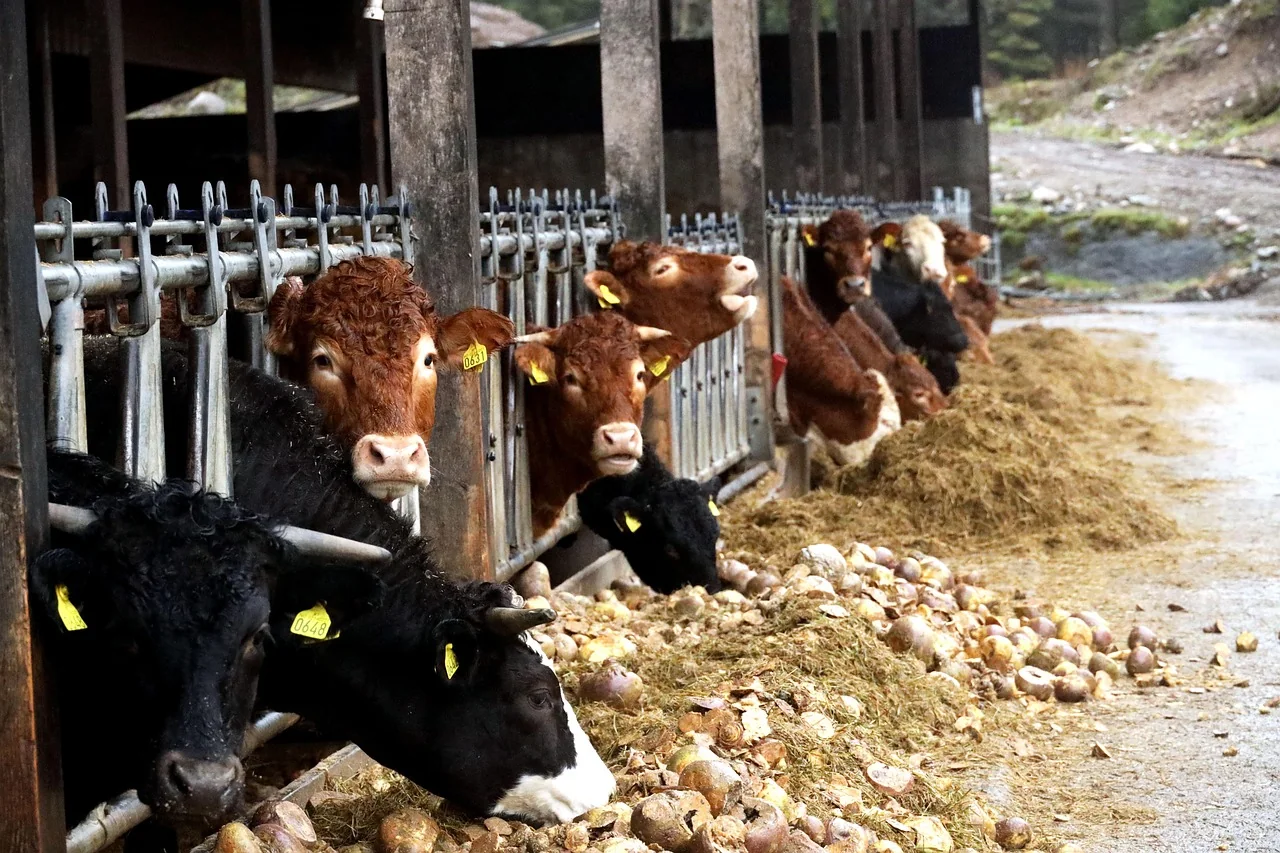
Automation of barns - is it a solution for every farm?
Automation in barns, especially automatic milking systems (AMS), is becoming more and more popular around the world. According to market reports, the number of farms investing in milking robots, manure scrapers and automatic feeders is growing. Thanks to them, you can save work time, improve the organization of tasks on the farm and facilitate the daily management of the herd.
What are the benefits of automation?
Research shows that a well-implemented AMS system can improve work comfort and increase milking regularity, which has a positive impact on udder health and stability of milk production. Automatic feed feeding allows for better control over the quantity and quality of feeding, and scrapers keep the aisles clean, which promotes hoof health. Automation also facilitates the collection of data on feed intake, milk yield and animal activity, which allows for faster response to health problems.
Costs and profitability
However, not every farm will benefit from such a system. Economic analyzes show that investing in milking robots or feeders is most beneficial in medium and large barns, where labor costs are high and the number of animals allows for a faster return on investment. In smaller herds, you need to calculate more carefully whether the purchase of expensive equipment will exceed your real needs and financial possibilities.
Register!Animal welfare and milk quality
Automation can support the well-being of cows because it allows them to decide on the time of milking or feeding, and monitoring systems make it easier to take care of the health of the herd. Research from the Netherlands shows that with proper management, the quality of milk in AMS barns is comparable to that in traditional systems, although it requires constant control of hygiene and equipment parameters.
Is automation for everyone?
The decision to introduce new technologies should be preceded by an analysis of the conditions on the farm - from the size of the herd and the layout of buildings to access to service and technical support. Automation offers great opportunities, but also requires involvement in the supervision of the equipment and care for its proper use.
Smart Feed and feeding automation
More and more farmers are combining barn automation with digital systems supporting nutrition management. Smart Feed allows you to plan and balance feed doses, analyze dry matter intake and control costs. Thanks to this, automatic feeders can operate based on precise data, which translates into better feed utilization and stable cow performance - both on smaller and larger farms.
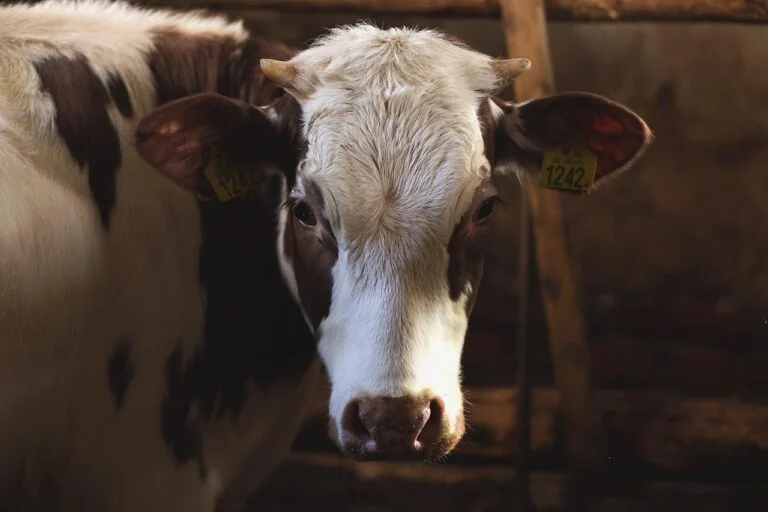
Automation of barns is an opportunity for greater work comfort, improved animal welfare and better production results, but requires a reasonable approach and analysis of the farm's needs. If you want to learn more about modern solutions in feeding and herd management, follow our Facebook profile and regularly visit Smart Feed blog - there you will find practical advice and news from the world of innovations in breeding cattle!
Contact