

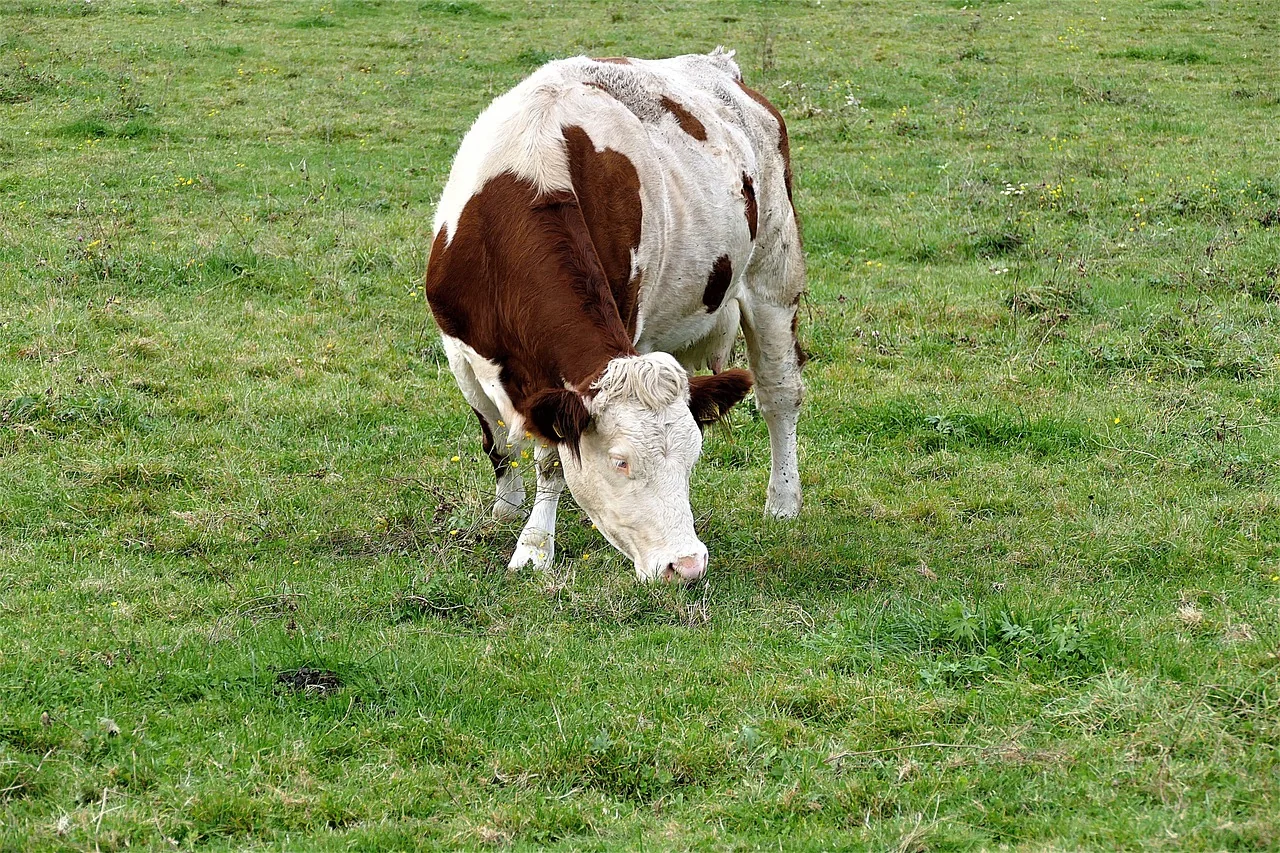
How does the price of milk affect the feeding strategy of cows? Forecasts for 2026
Milk prices and the realities of farms - what do nutritional decisions depend on?
The price of milk is the most important indicator that determines how much a farm can invest in feeding cows. When purchase rates increase, breeders are more willing to reach for better sources of energy and protein, more stable feed and additives that improve the functioning of the rumen. However, when the market becomes uncertain and prices start to fall, many farms automatically look for savings. Most often, this is done by reducing the share of more expensive components, replacing them with cheaper alternatives, or limiting additives that support health and performance.
However, such a strategy does not always pay off. As research shows, too strong cuts in the ration balance may result in greater losses than savings - because a decrease in feed intake, deterioration of rumen function and lower milk production reduce the IOFC (Income Over Feeding Cost) much faster than the cost of feed materials. That is why it is so important to make nutritional decisions not by feeling, but based on numbers and the current market situation.
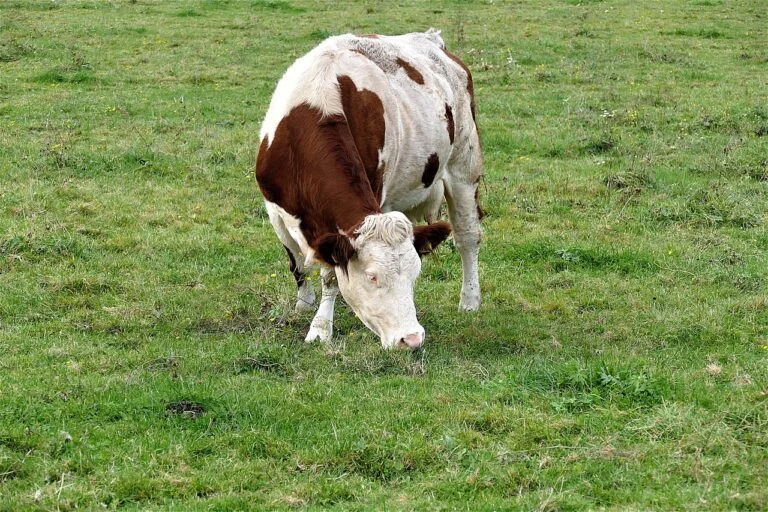
How does the price of milk translate into nutritional decisions on farms?
- High milk price - greater readiness to invest in dose quality, functional additives and TMR stabilization.
- Low milk price - looking for savings: cheaper sources of energy and protein, giving up additives, lower mixing precision.
- High market uncertainty - emphasis on precise cost control, limiting losses, precise monitoring of recipe execution.
In practice, this means that decisions will become more important in 2026 well-thought-out, based on real data, not on intuition - especially regarding the composition of TMR.
The most likely scenarios for 2026
If milk prices remain in the upper range of forecasts, many farms will be able to afford to maintain high quality ration and additional investments in technologies supporting feeding precision. In turn, when prices drop, there will be pressure to reduce costs - but not by reducing quality, but by smarter resource management and optimization.
The third scenario, i.e. "stable uncertainty", is currently the most realistic. In such a system, the importance of actions that protect profitability without having to change the entire ration increases - for example, controlling waste, monitoring feed intake, or better management of feeding groups. Precise tools will be key to achieving profit in 2026 amid rising costs.
Register!Why will Smart Feed technology be especially important in 2026?
With fluctuating milk and feed prices, what matters is not only what goes into the ration, but also whether each TMR is made according to the recipe, without errors and losses. This is where Smart Feed has the greatest advantage - it allows you to track production in real time, verify deviations and analyze how changes in prices of individual components affect the cost of the dose.
Thanks to this, the farmer can see where he can save without reducing the quality of nutrition, and where apparent savings would result in losses. In seasons with high market volatility, this precision determines whether the farm will remain profitable.

Forecasts for 2026 show clearly: the global milk market will be stable, but the instability of external factors will also require a faster and more conscious response to cow feeding. This is not the year for random decisions - it is the year for precise ration management, focusing on the milk production profitability index (IOFC) and limiting losses where they happen most often, i.e. during mixing and feeding of feed.
If you want to stay up to date with market analyses, practical tips and news regarding precision nutrition, follow our Facebook and visit blog Smart Feed - there you will find the latest information prepared especially for breeders!
Contact