

Denmark is investing in reducing methane emissions from cattle
According to the Food&Agri Industry Flash report, the Danish government has decided to allocate as much as USD 74 million to finance a feed additive that aims to reduce methane emissions from dairy cows by 30% by 2030. The supplement, produced by Dutch company Royal DSM, has been approved for use in the European Union in 2022.
What is breeding like in Denmark?
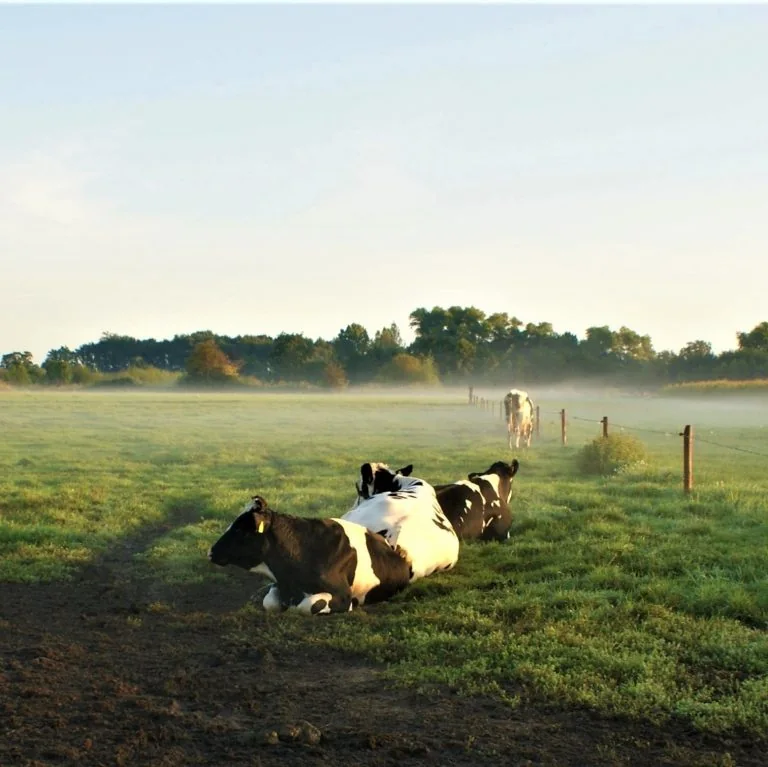
Dairy farming in Denmark is an important agricultural sector, constituting an important element of the country's economy. Currently, about 550,000 dairy cows are bred there. The country is known for its high-quality milk and dairy products, which are exported around the world. Denmark prides itself on modern and sustainable agricultural practices, with a strong emphasis on animal welfare and production efficiency.
Register!Where is the problem?
However, dairy farming is also associated with emission of methane, a greenhouse gas that has a significant impact on climate change. Methane is produced mainly during the digestion of feed by cows and as a result of the decomposition of their excrement. Danish agriculture is taking various steps to reduce methane emissions, such as modifying animal diets, using feed additives, improving manure management, and developing biogas technologies that convert animal waste into energy.
Reduction of greenhouse gas emissions
The monthly agronomic report published by BNP Paribas Polska SA shows that Denmark may become the first country in the world to introduce a system for pricing greenhouse gas (GHG) emissions in the agricultural sector, which enjoys broad political support. The country has set an ambitious goal of reducing emissions by 70% by 2030, compared to 1990 levels. It is worth adding that agriculture is responsible for as much as one third of total greenhouse gas emissions in Denmark.
Contact