

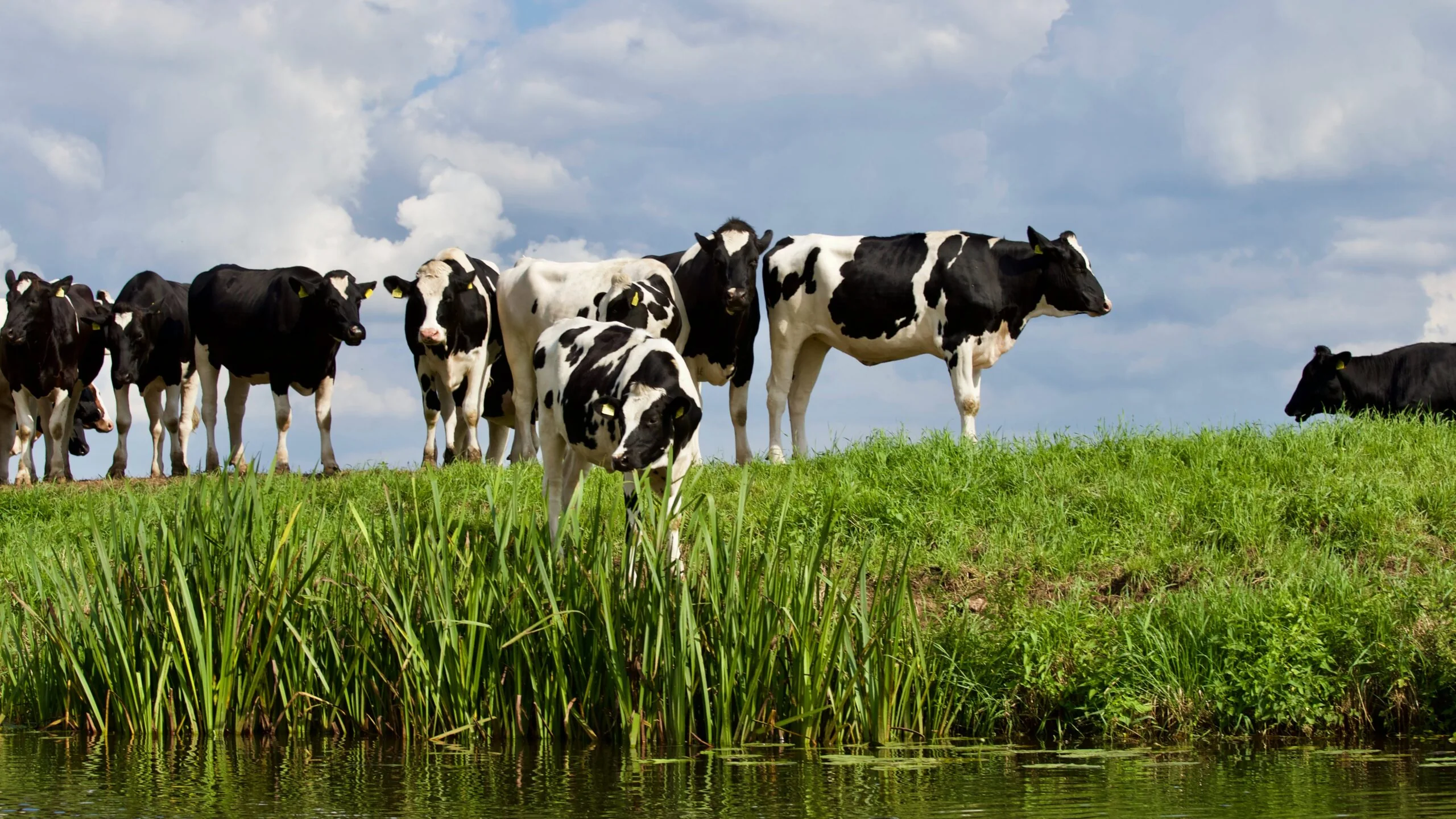
Denmark introduces a tax on CO2 emissions in agriculture!
Denmark is preparing to introduce a groundbreaking tax on carbon dioxide (CO2) emissions in agriculture, which will make it the first country in the world to take such a bold step. After many months of negotiations between the government, farmers, trade unions and environmental organizations, a historic agreement was reached. The new regulations are intended to reduce the impact of agriculture on climate change, while supporting the green transformation of the sector.
What is an agricultural emissions tax and how will it work?
The tax on CO2 emissions in agriculture will enter into force in 2030. Initially, the rate will be 120 Danish kroner (approximately PLN 70) for each tonne of CO2 equivalent. By 2035, the amount will increase to 300 crowns (approximately PLN 175), and in the following years it may reach up to 750 crowns, i.e. more than twice as much. The introduction of the tax aims to reduce greenhouse gas emissions from the agricultural sector, which is responsible for a significant share of emissions in Denmark.
The funds obtained from the tax will be used to support the green transformation of agriculture. The government announced that it will invest as much as 43 billion kroner (approximately EUR 5.36 billion) in innovation, technology development, environmental protection and the transformation of agricultural land into forests and wetlands.
Why does Denmark introduce such a tax?
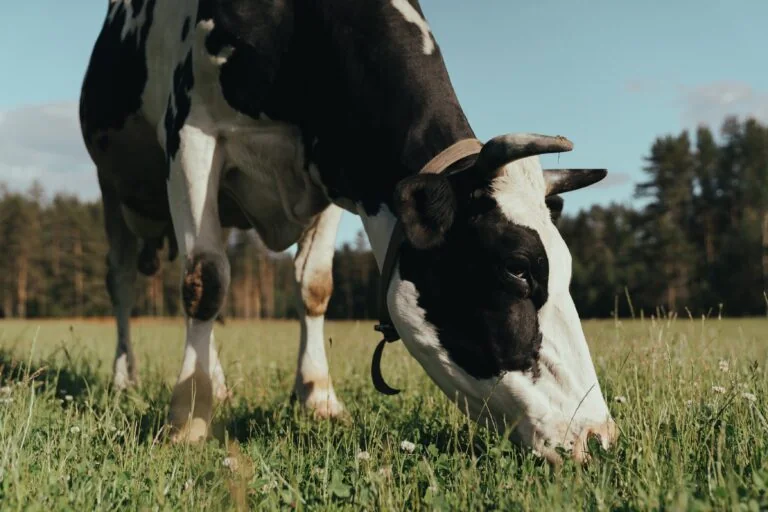
Agriculture in Denmark generates approximately 35% of national greenhouse gas emissions. A particular problem is methane, a greenhouse gas that has a global warming effect that is over 80 times greater than carbon dioxide in the first 20 years of its presence in the atmosphere. Methane is produced mainly during the digestive processes of farm animals such as cows and during the production of meat and milk. It is estimated that one cow emits from 70 to 120 kilograms of methane per year. If you want to learn more about the methane problem, read our article on this topic.
Denmark, as one of the largest exporters of pork, beef and dairy products, faces a unique challenge to reconcile its climate commitments with the needs of the agricultural sector. The introduction of the tax is intended to help reduce greenhouse gas emissions by as much as 70% by 2030 (compared to 1990 levels) and climate neutrality by 2045. It is estimated that in the first years of the tax's operation, carbon dioxide emissions will decrease by approximately 1.8-2.6 million tons per year.
Changes for agriculture and the environment
Under the new plan, part of Denmark's agricultural land will no longer be used for cultivation and breeding. About 250,000 hectares will be forested, and 140,000 hectares of lowland areas, rich in carbon, will be protected and transformed into natural areas. This is intended to help protect biodiversity, improve water quality and rebuild ecosystems, especially highly polluted fjords and coastal waters.
Financial support is also provided for farmers to reduce their burden. Farmers will receive tax breaks, and the funds from the emission tax will be partially allocated to subsidies supporting investments in more ecological food production methods.
Climate and environmental benefits
Denmark, as one of the largest exporters of pork and dairy products in the world and at the same time a significant emitter of greenhouse gases related to food production, is introducing a tax on CO2 emissions in agriculture to reduce the impact of this industry on the environment. The plan assumes that from 2027, nitrogen-related emissions will be reduced by approximately 13,780 tons per year. Reducing this pollution is key to improving the water quality of the fjords and restoring biological life in these regions.
Controversies and farmers' reactions
However, not everyone supports the changes introduced. Some Danish farmers criticize the tax, calling it a "terrifying experiment". They fear that new regulations may increase production costs, which in turn will translate into higher food prices. For example, it is estimated that if the tax was initially proposed at CZK 750 per tonne of CO2, beef prices could increase by 10%, pork by 2% and milk by 5%.
Farmers emphasize that they are aware of climate problems, but they do not believe that new regulations will significantly contribute to solving them. Despite this, the Danish government is determined to implement this plan, considering it essential to achieving the country's climate goals.
Register!Denmark as a model for other countries
New Zealand, which also has a large agricultural sector, tried to introduce a similar tax, but withdrew its plans due to strong opposition from farmers. However, Denmark does not intend to give up. Climate Minister Lars Aagaard emphasizes that this tax is a historic achievement that can become an inspiration for other countries in the world.
The introduction of this solution is not only a step towards climate protection, but also a chance to rebuild ecosystems and improve the quality of life in regions strongly affected by the effects of intensive agriculture. Thanks to this, Denmark can become a leader in global climate action.
Nowadays, the key to progress is access to information, which is why we strive to constantly provide our clients with reliably prepared news. If you want to always be up to date - follow profil Smart Feed Sp. z o. o. on Facebook, and bloga on our website!
Contact