

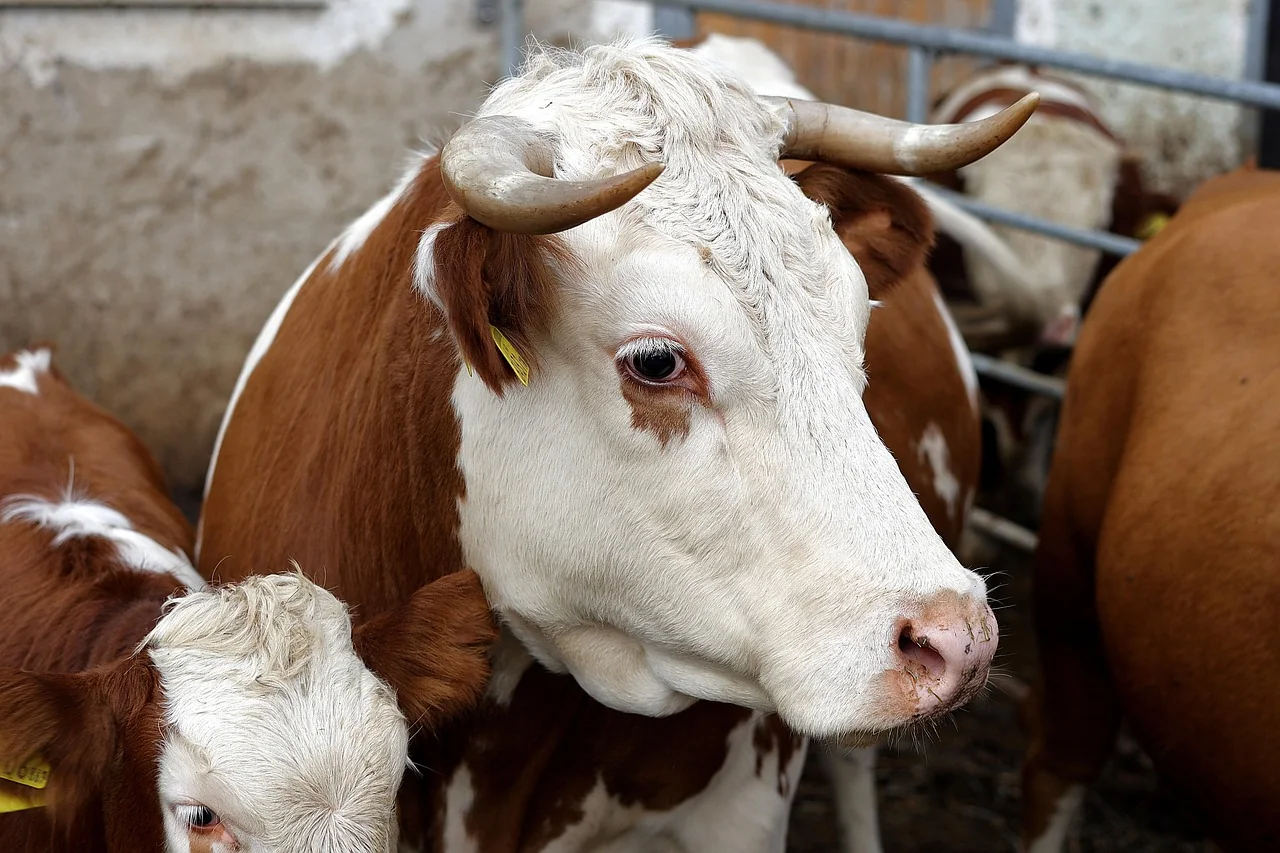
Methane emissions on the farm - how to effectively reduce them?
Methane from fermentation in the rumen of cows and other ruminants is responsible for a significant portion of agricultural greenhouse gas emissions. According to numerous reports, limiting it may quickly slow down the rate of global warming, because this gas has a stronger impact on the climate than carbon dioxide, although it remains in the atmosphere for a shorter time. In practice, this means that even small changes in animal nutrition can translate into real benefits for the environment - and at the same time improve the efficiency of milk or meat production.
Feed additives - an effective way to reduce emissions
Research conducted in recent years shows that supplementing the dose with 3-NOP (3-nitrooxypropanol) can reduce methane secretion in cows by up to 30-35% without impairing milk yield. The red alga Asparagopsis taxiformis works in a similar way, the inclusion of which in the dose under controlled conditions allows for a very significant reduction in emissions - although it requires caution, because it is important to monitor the safety and quality of products.
In addition to these innovative solutions, scientists pay attention to vegetable oils, tannins and nitrates, which in moderate amounts can also reduce the amount of methane produced in the rumen. However, the key is to select the right additives for the type of feed and the specificity of the farm, so as not to disturb the health of the animals or the taste of the products.
Improving feed quality and feeding efficiency
The basis for reducing methane is to improve the quality of feed. Better grass, well-prepared silage, and precise dose balancing increase energy use by cows and reduce losses in the form of greenhouse gases. It is equally important to maintain the correct ratio of roughage to concentrates - too much fiber reduces digestibility, and too much starch may disturb the functioning of the rumen.
Register!Implementation in practice
Although the research results are promising, the introduction of innovative additives, such as 3-NOP or algae, requires preparation - from providing a source of raw material to adapting the feeding system. Some solutions are already commercially available (e.g. preparations based on 3-NOP), others are still waiting for production scaling and full safety assessment. However, it is worth following market developments now and consulting nutritional advisors to select methods that suit the size of the herd, type of production and budget.
How Smart Feed helps
Modern tools such as the Smart Feed app make it easier to plan and monitor doses, including emission-reducing additives. Thanks to the analysis of feed quality, assessment of dry matter intake, comparison of various TMR variants, and a special methane calculator - breeders can easily make changes that will improve the herd's results and at the same time reduce the farm's carbon footprint.
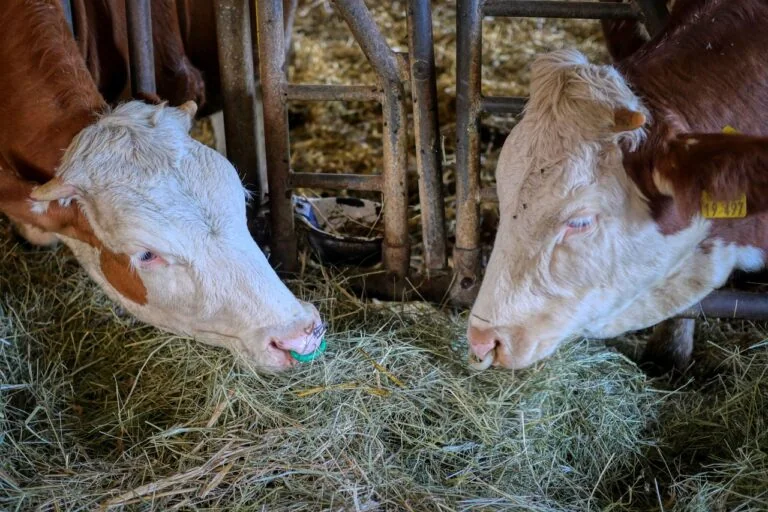
Reducing methane emissions does not have to mean complicated investments - well-balanced doses and sensibly selected feed additives are often enough. This is a benefit not only for the climate, but also for the farm's economics, because better use of energy in feed means greater production from the same amount of raw material. To stay up to date with news regarding sustainable nutrition and practical ways to reduce emissions, follow our Facebook profile and visit Smart Feed blog!
Contact