

How to adjust feed doses to lactation stages - a guide for breeders
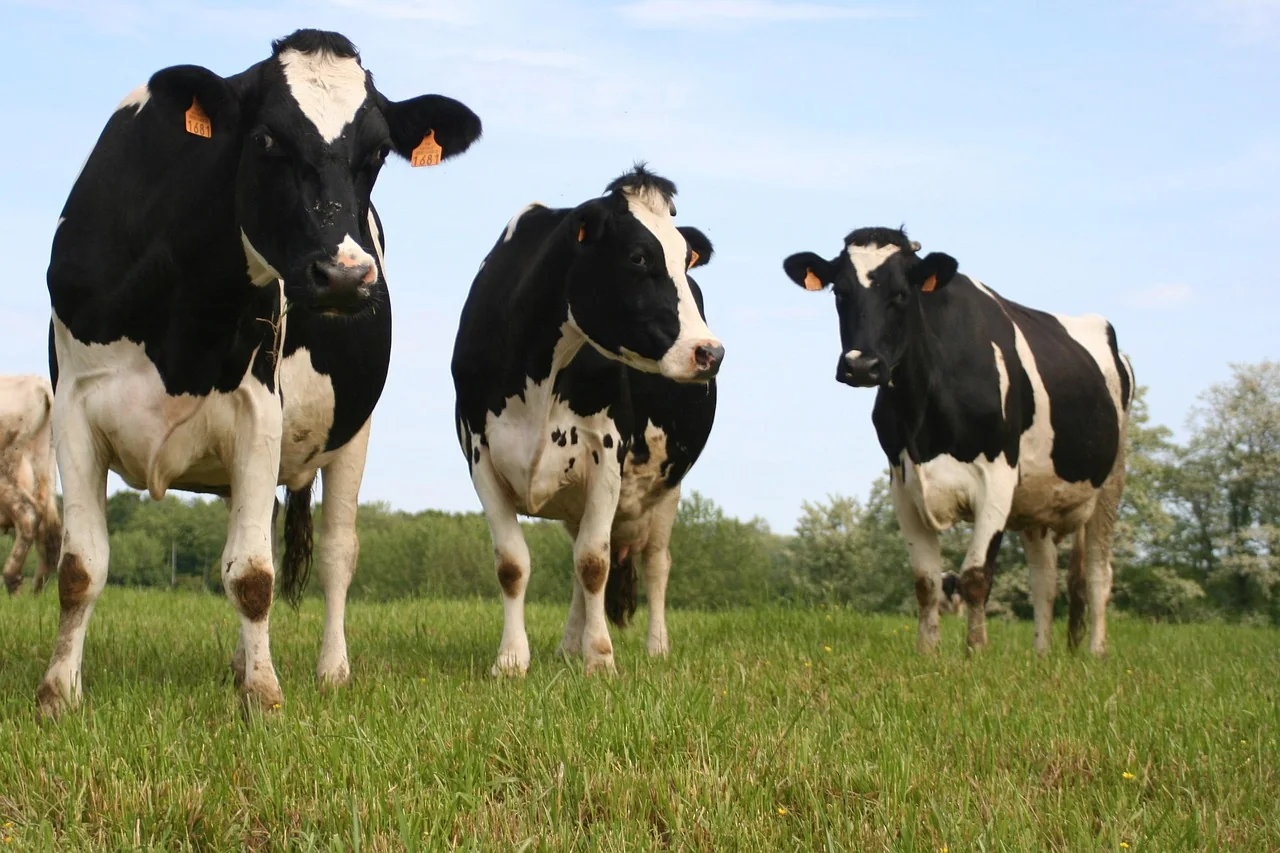
Each phase of lactation in a dairy cow brings different nutritional challenges. Early lactation requires intensive supply of energy and protein, the peak phase of lactation requires stabilization, and the dry period requires appropriate preparation for the next lactation. How to adjust feed rations to the cow's needs at each of these stages is the key to its health, performance and reducing economic losses. Sounds like a problematic process? Don't worry - we will guide you through it - from herd analysis and feed composition, to dose optimization in practice, with the help of modern tools such as the Smart Feed application.
Lactation phases and their importance
Cow lactation is usually divided into three main stages: early (up to 100 days after calving), middle (100-200 days) and late (over 200 days) and the dry period. Each of these phases is associated with a different energy balance and nutrient demand.
In the early phase, the cow is often unable to absorb enough energy from the feed, which is why the energy density of the ration is important. In the middle phase, milk yield is still high, but the feed intake rate increases and more balanced components can be introduced. In the late phase of lactation, milk production gradually decreases and body reserves increase. In turn, the dry period is a time for regeneration and preparation of the body for the next calving - appropriate proportions of roughage and avoiding overfeeding are key here.
How to adjust the dose step by step?
The first step is to analyze the group of cows and their lactation phase. Technological groups should be created so that cows with similar needs can receive the same TMR (Total Mixed Ration) mixture. It is the TMR mixture, containing both rough and concentrated feed in appropriate proportions, that ensures uniform nutrition and minimizes the risk of metabolic disorders.
Then you should determine the content of dry matter, energy, protein and fiber in your feed. The use of physically effective NDF, i.e. the appropriate length of feed particles, is crucial for the health of the rumen and the prevention of acidosis. Concentrate feed limits are set for each group of cows, which should not exceed 2.5% of the cow's body weight.
Changes in the dose should be introduced gradually - increasing or decreasing the amount of individual ingredients from approximately 0.5 to 0.7 kg per day. Regular monitoring of body condition (BCS) and feed intake are necessary to maintain stable production results.
Register!How can Smart Feed help?
Smart Feed is software that significantly simplifies the process of creating and adjusting nutritional doses. By analyzing data on lactation phases, milk yield, animal condition and available feed, the system automatically proposes optimized mixtures for each farm. Moreover, the Smart Feed application allows you to take into account real farm resources and variable feed prices and their quality, which translates into real savings.
The real-time dose balancing function allows for flexible response to changes in milk production or herd condition. Thanks to the economic analysis built into the application, the breeder can control the profitability of each dose, compare scenarios and better plan both feed purchases and feeding strategy for the following months.

Adjusting feed doses to the lactation phase is a dynamic process that requires knowledge, precision and appropriate tools. Thanks to clear rules and technology offered by Smart Feed Sp. z o. o., it is possible to effectively manage nutrition on the farm, which translates into better productivity, cow health and financial stability. If you want to have full control over the nutrition of your herd - it's time to start taking action with the help of modern solutions. Follow us on Facebook and check out our website to always be up to date with all the news from the world of agriculture!
Contact