

How to feed dairy cattle cheaply and efficiently? 4 lectures by the Smart Feed Nutrition Academy
Today, feeding dairy cattle poses a number of challenges - market turmoil, expensive feed, falling milk prices and regulations. Our answer – individual, precise and profitable feeding of cows, new breeding technologies and economic analysis.
Smart Feed Nutrition Academy
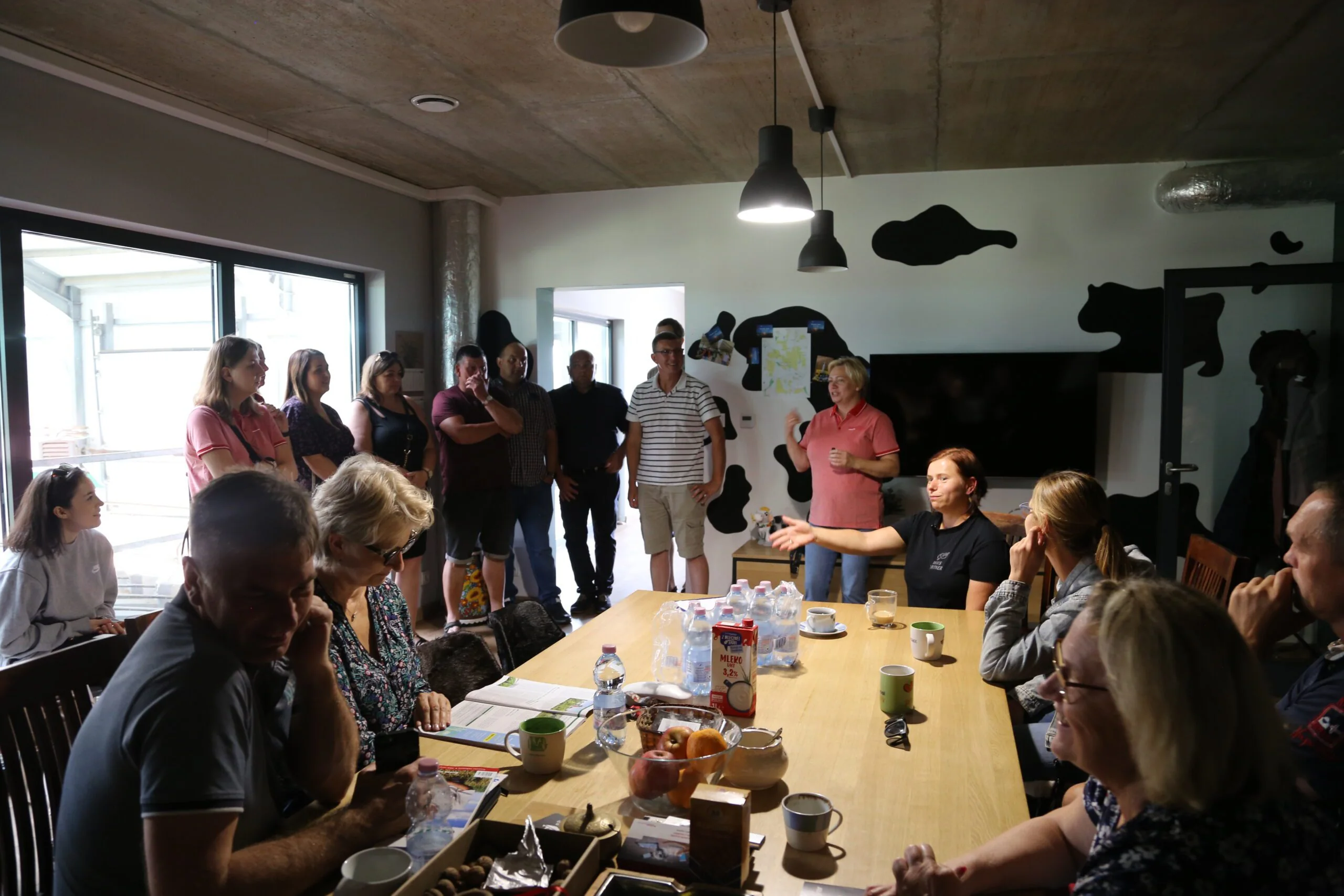
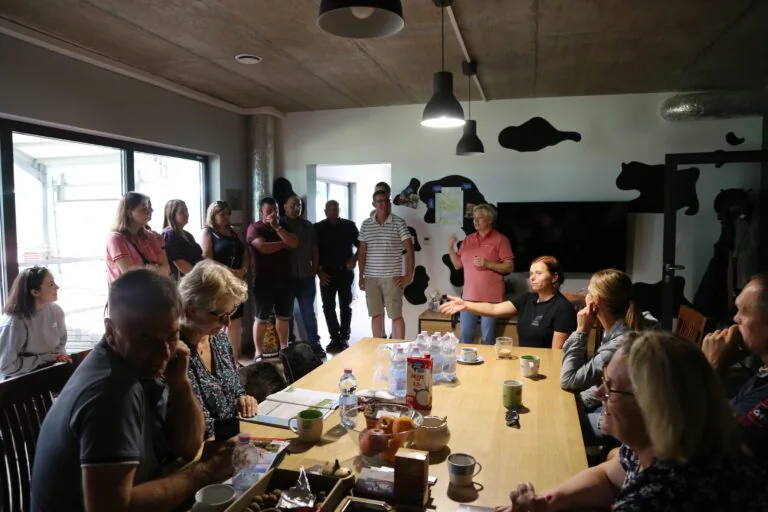
On Thursday, July 13, 2023, Smart Feed had the honor to organize the first meeting in the "Smart Feed Nutrition Academy" series titled "Sustainable cattle nutrition in economic and environmental aspects", in which breeders, experts, investors, representatives of Poznań University of Life Sciences and friendly companies took part - Phileo by Lesaffre, Sienn, JHJ, Biomix and Agriplastics Polska.
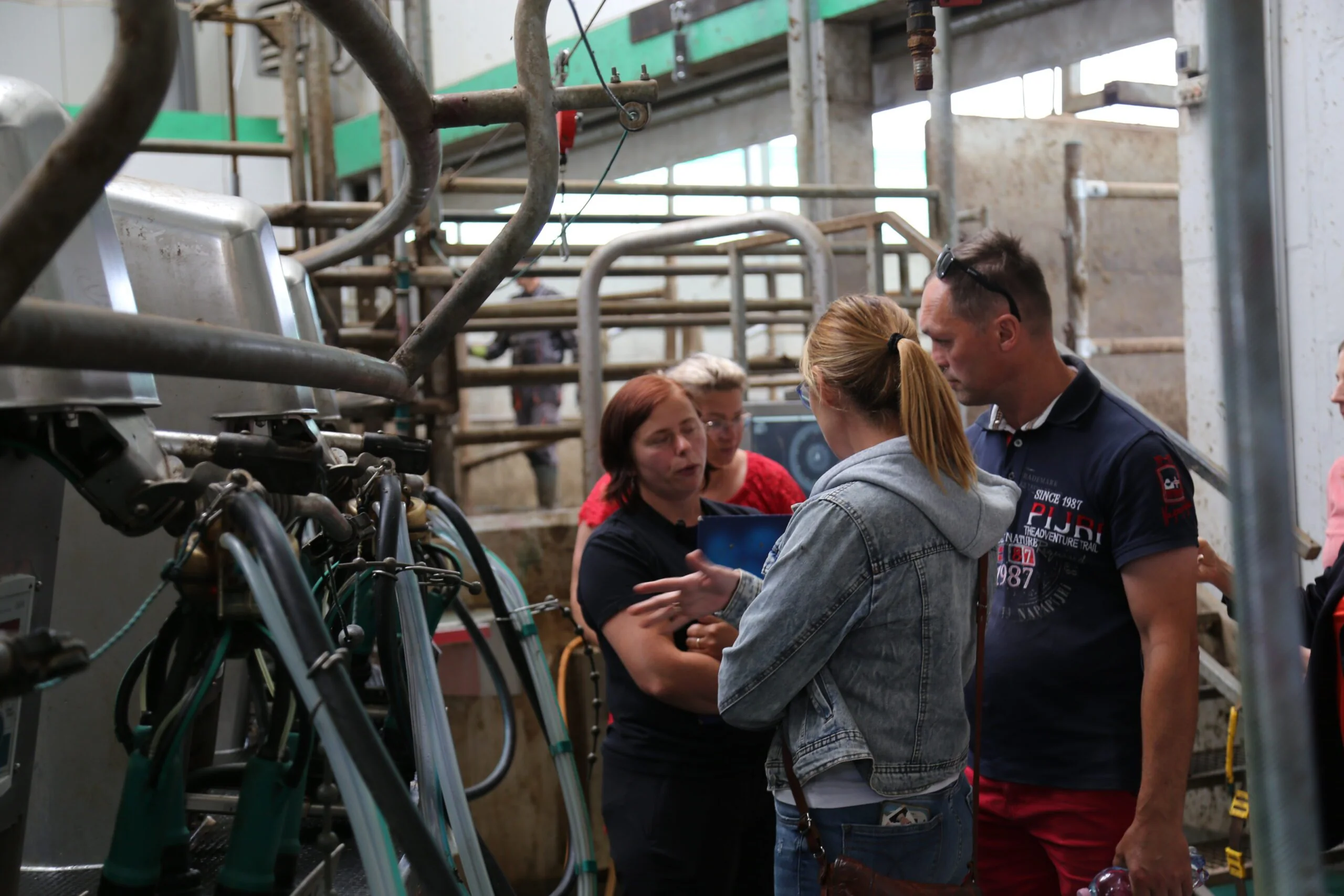
We started the day with a visit to a dairy farm in Bełcz Mały in the Lower Silesian Voivodeship. Thanks to the kindness of the owners of the farm, Mr. and Mrs. Jachimowski, we had the opportunity to visit a modern facility whose owners are a leading force in introducing good practices and new technologies in feeding and breeding. Mrs. Ela Domachowska - chief zootechnician, told us about the expansion and modernization of the buildings and what the daily work and feeding of cows on the farm looks like.
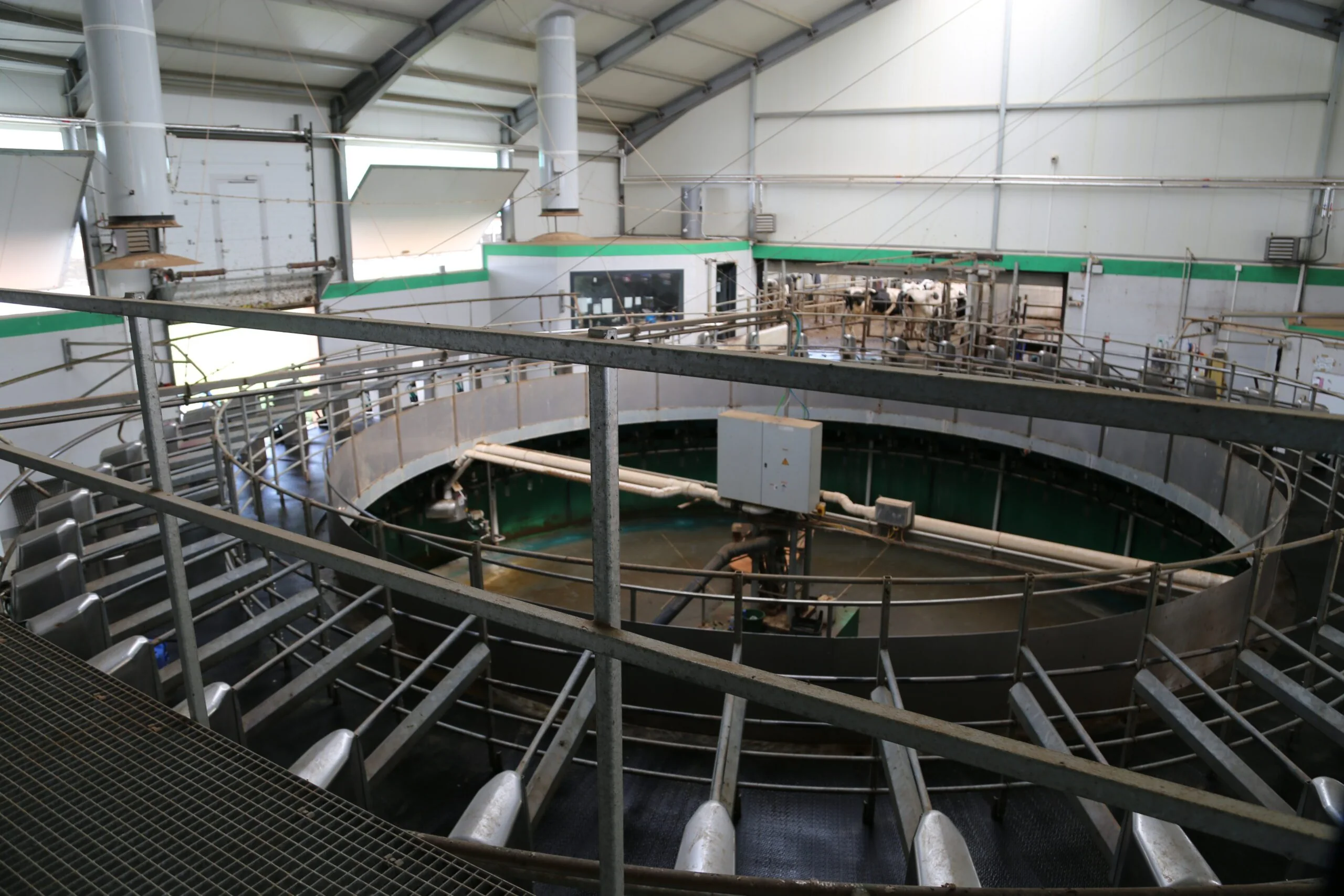
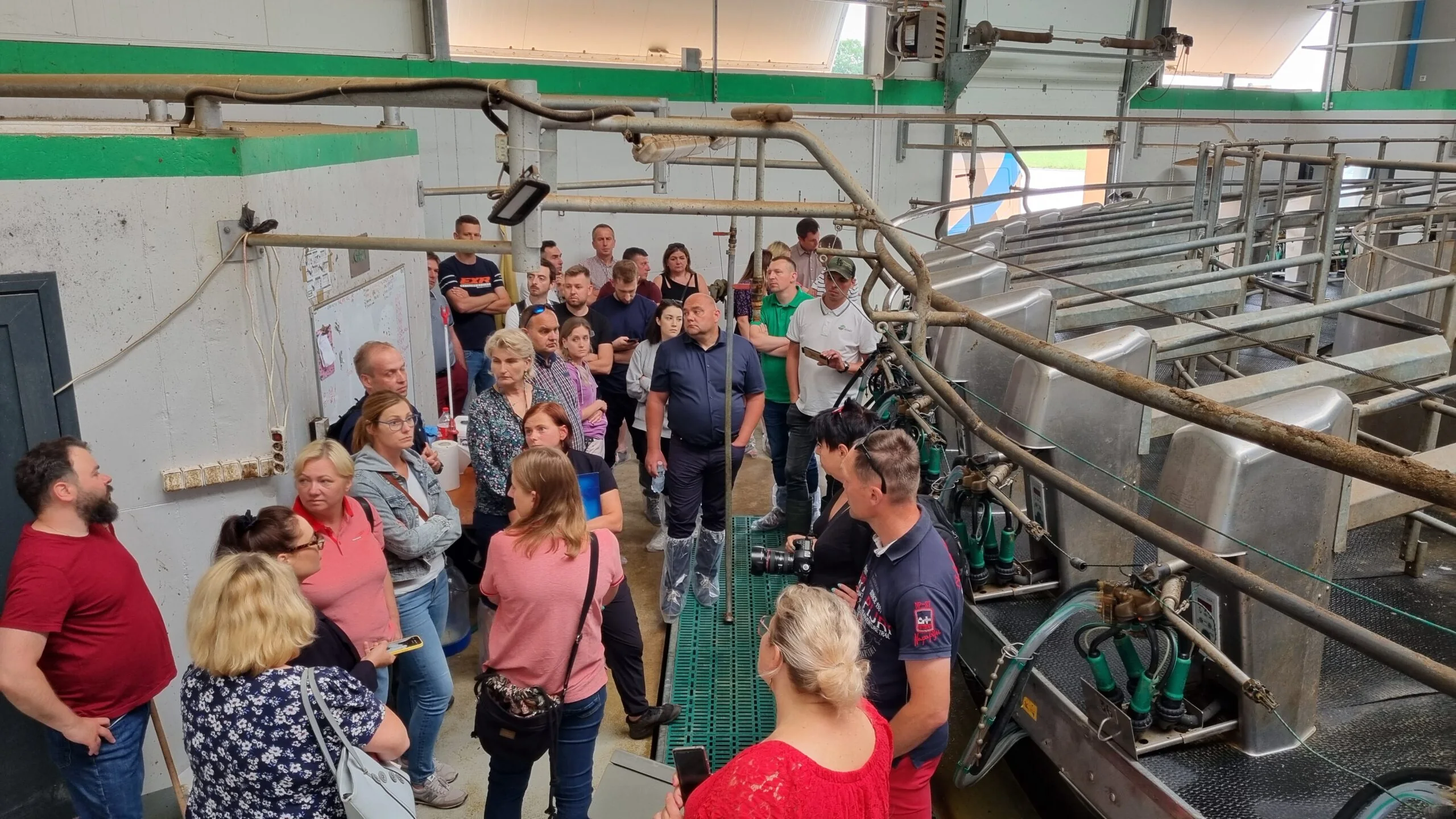
During the tour of the facility, we could see a modern cow milking system - a carousel hall with 50 seats, as well as other innovative solutions and products used in dairy cow breeding, including calf hutches from Agriplastics Polska and great premixes and feed additives from Biomix.
Register!The main task of Smart Feed is to accompany the breeder at every stage of feeding, helping with cheap, efficient, precise and individual feeding.
We will enable you to make your own decisions for your herd - because you know best what it needs.
The future of cattle breeding
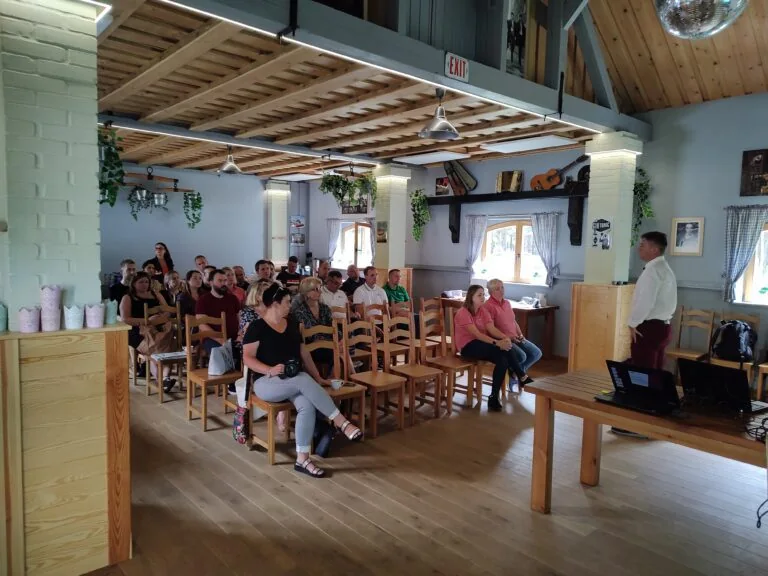
After seeing the fantastic farm of the Jachimowski family, we moved to the atmosphericAgroturystyka "Bolderik" located in nearby Kąkolno. It was there that the invited guests gave their planned presentations. The first lecture was presented by prof. Ph.D. Adam Cieślak from the Department of Animal Nutrition at the University of Life Sciences in Poznań.
The presentation given by the professor was carried out as part of the international project, competition 2018 JOINT CALL FACCE ERA-GAS, SusAn, ICT-AGRI2; financed by the National Center for Research and Development, entitled "Cattle breeding systems for the sake of the climate"(acronym: CCCFarming) contract number SUSAN/II/CCCFARMING/03/2021. We learned what problems and challenges modern agriculture and dairy farming face - the growing world population, the energy crisis, the negative impact of breeding on the environment and the decreasing social acceptance.
We also saw what the farms of the future will probably look like - we will pay more attention to the welfare and longevity of animals, the automation of animal production will increase, as well as activities aimed at a positive perception of production by consumers. We also discussed possible solutions to limit the impact of breeding on the climate - including the use of methane blockers, the use of corn silage in long-chopped technology, and a well-balanced, precise feed dose. He summed up his statement by saying that we must be ready for changes and open to new technologies, and we should also use the best solutions for a given farm.
Yeast and microorganisms in the rumen
The next invited speaker was Marcin Krygier, representing the Phileo by Lesaffre company, the topic of his presentation was "Phileo solutions increasing digestibility in cows". At the beginning, we got to know the Phileo company (yeast producer) and saw the process of producing their products. Then, Mr. Marcin reminded us how the digestive cycle works in a cow and presented the most important functions of the rumen.
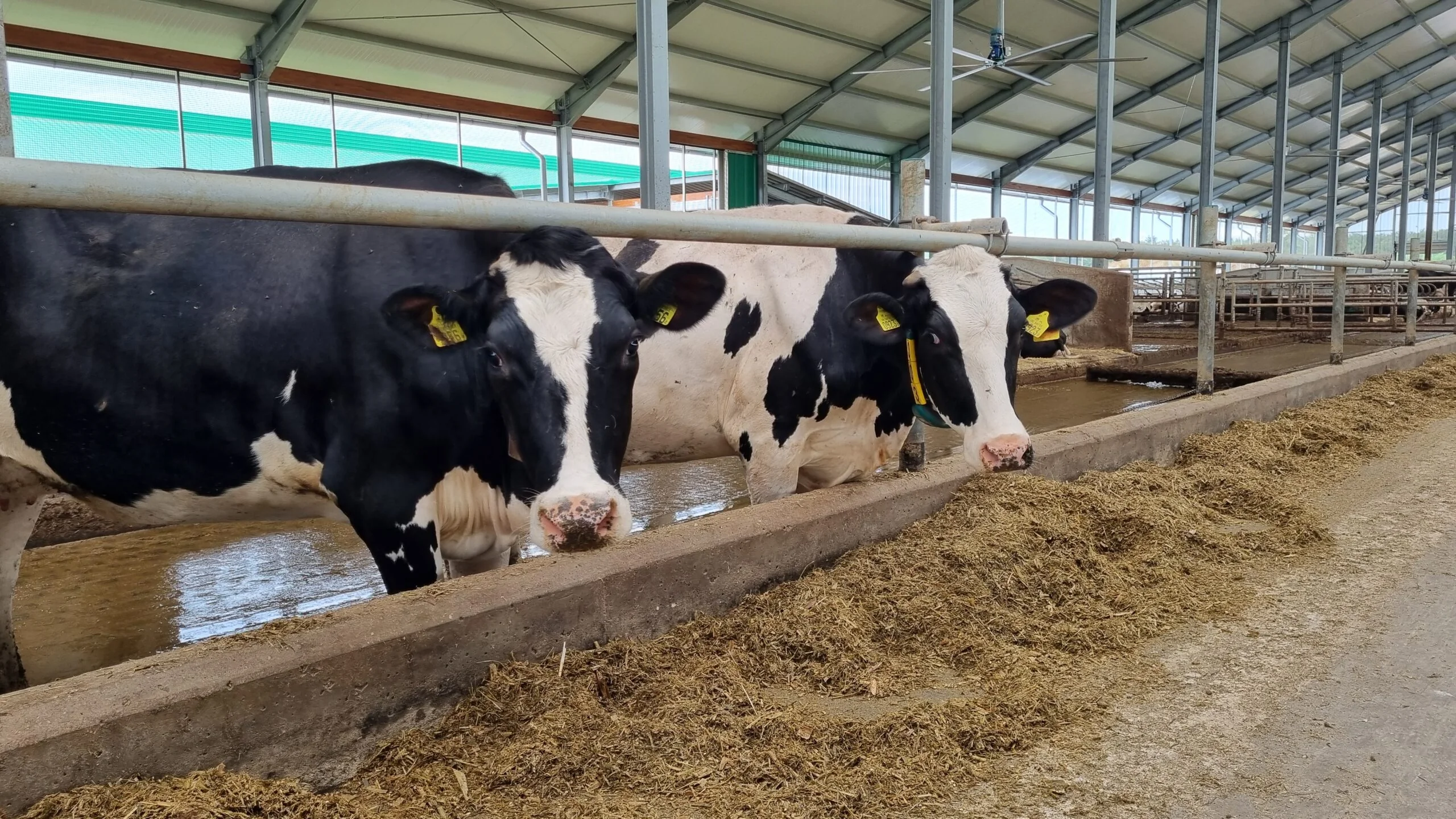
The rumen is the most important element of milk production - it contains nearly a trillion microorganisms that support the digestion process. We have to take care of them and feed them! By taking care of the appropriate environment in the rumen, we improve the digestibility of feed and the immunity of animals. The factors affecting the digestibility of the feed ration are the quality of feed, proper balance of the feed ration, the animal's health status, the use of feed additives (including Actisaf yeast from Phileo), the cow's lactation phase, appropriate preparation of silage and TMR, and preparation of the cow for changing the dose.
We have learned studies whose results prove the positive impact of using yeast as a feed additive for cows. They increase the amount of good bacteria in the rumen, increase the amount of dry matter in milk and improve feed digestibility. This increases milk yield and reduces heat stress in cows. Mr. Marcin also showed us the improving results on farms using yeast for animals.
The aim of precision feeding is to reduce methane emissions, reduce costs and overall improve production economics.
Dairy cattle fed in this way require continuous analysis of individual stages of feeding, their optimization and monitoring of results.
Agriculture and IT
Then, Ms. Alicja Poluchowska from Sienn, a software house co-creating the Smart Feed application, gave a lecture. Alicja presented the product creation process, as well as what Scrum and the Agile methodology are, in a very interesting way. We learned what cooperation with a client on software projects looks like, as well as how to combine user expectations with the realities of software development. We also had a chance to see what the future of arranging nutritional doses will look like thanks to the upcoming features of the Smart Feed application.
Precise nutrition is the key to success
The last speaker was the CEO of Smart Feed - Renata Szwarc. She explained the current situation on the milk production market - threats such as high production costs, war in Ukraine, falling milk prices, regulations limiting methane emissions and opportunities such as the increasing demand for milk (increasing population), as well as the market driven by the export of dairy products to China.
She reminded that developing an individual feeding strategy for each farm is now a necessity. The goal of such precision feeding is to reduce methane emissions, lower costs and overall improve production economics. Such feeding requires continuous analysis of individual stages of feeding, their optimization and monitoring of results.
And this is the main task of Smart Feed - to accompany the breeder at every stage of feeding, helping in cheap, efficient, precise and individual feeding. We will enable you to make your own decisions for your herd - because you know best what it needs.
Register!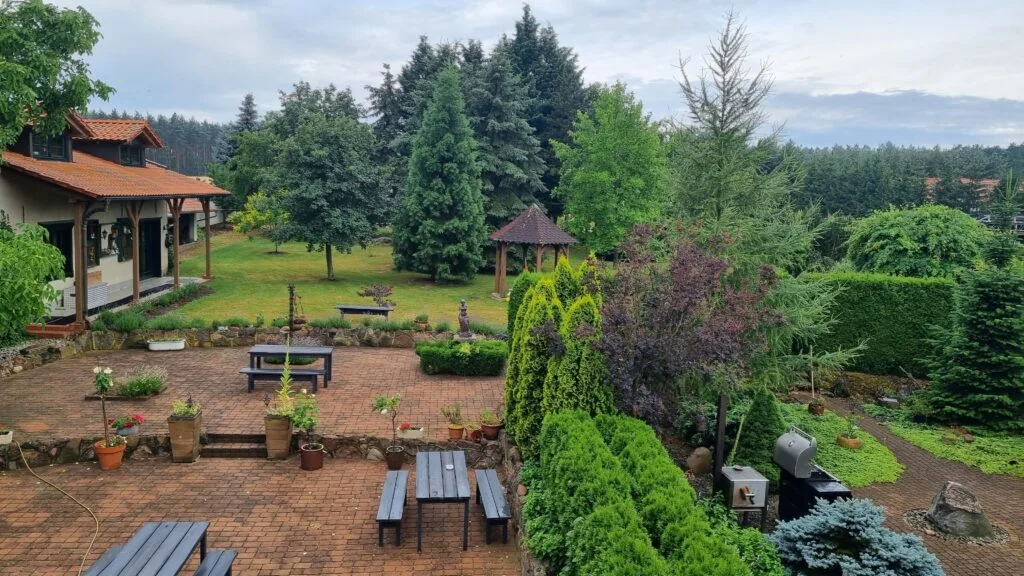
After the conference, we invited our guests to an integration feast, where discussions about breeding lasted all night.
If you want us to organize the Smart Feed Nutrition Academy also at your place, contact us - we will definitely come! This is a great opportunity to show, see and try new solutions and meet interesting breeders from your region and from all over Poland.
Contact