

What is the alkalization of grain?
In recent years, the costs of producing milk and meat have been increasing, which is caused by, among others, an increase in the prices of various inputs needed for production, such as fertilizers, machines and even electricity itself. This is one of the serious problems of modern agriculture that breeders must struggle with.
It is true that factors such as improved living conditions and progress in science and genetics have made dairy cows able to produce more and more milk. Unfortunately, not everyone is aware of how important their nutrition is, and therefore sometimes it is neglected, which in turn may lead to hidden health problems of animals, e.g. subclinical acidosis. One of the reasons may be feeding too much grain feed, which negatively affects cows' health and fertility, and consequently reduces their efficiency.
Acidosis problem
Acidosis reduces the fat content in milk, which significantly affects its price, reduces the efficiency of cows, and increases the costs of treatment and correction of hooves. Many specialists believe that a very large number of dairy cows are affected by periodic and asymptomatic acidosis, which may last even longer. To prevent this, special measures are used, which - although - eliminate the acidification of the rumen, but are also quite expensive.
Alkalization of grain as an alternative
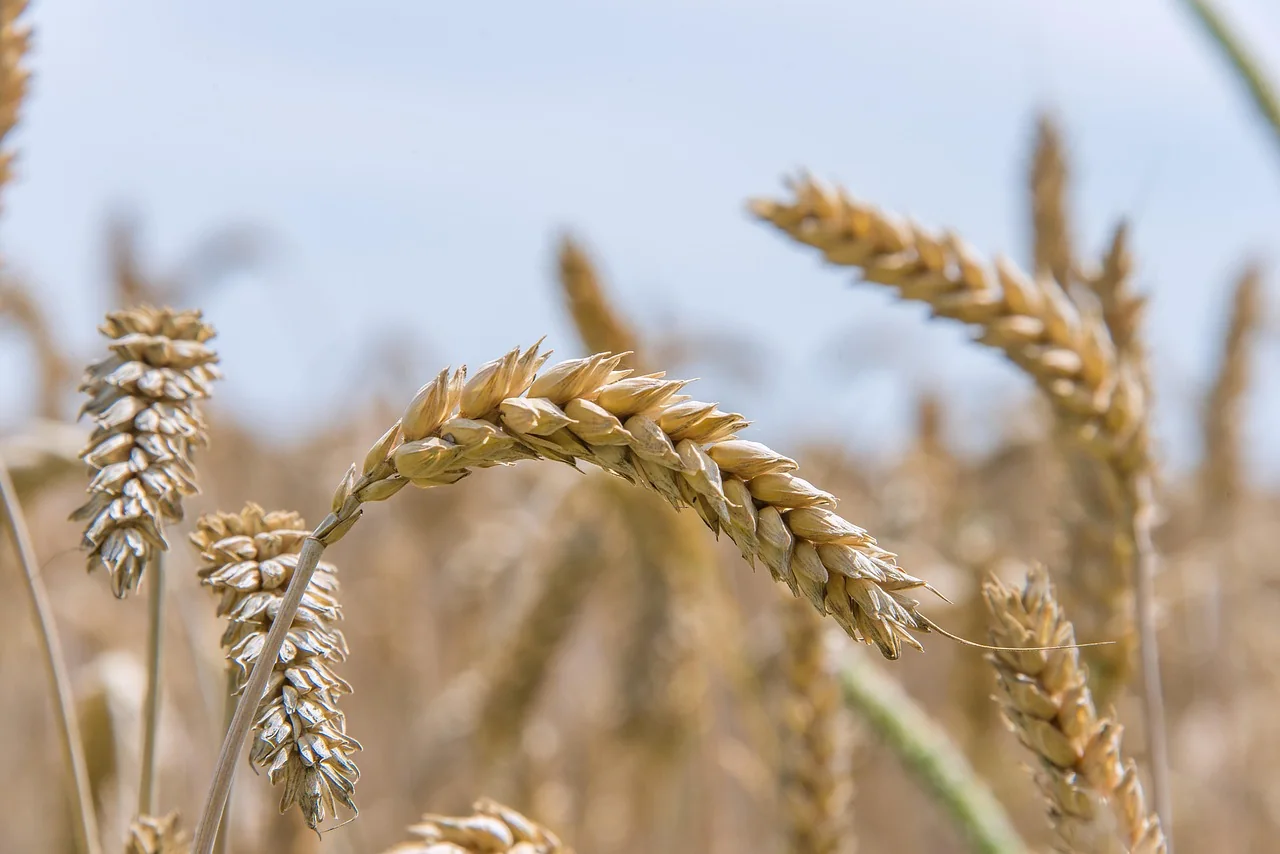
Alternatives to feeding methods are increasingly being sought to reduce feeding costs and at the same time ensure animal health. One of them is the alkalization of grain, which is becoming more and more popular also in Poland. This is a refining method that increases the nutritional value of cereal grains, including corn. During this process, an alkaline substance, most often sodium bicarbonate, is added to the product to change its pH. Cereals subjected to alkalization can be both dry and moist. As a result, you can influence the taste, color, texture and other physical properties of a particular product.
How to perform alkalinization?
Alkalization can be carried out in two ways - by adding a ready-made alkalizing preparation to feed or by using already alkalized grain. Feeding dairy cows with such feed brings a number of various benefits, such as - higher fat and protein content in milk, better energy use, improved rumen health and greater efficiency - up to two to three liters more milk per day. In addition, you can save on protein feed by reducing the amount of rapeseed or soybean meal, as well as reduce veterinary costs and improve cow fertility.
How to properly carry out alkalinization on the farm
Although grain alkalization is most often carried out in the summer, it is worth preparing for this process all year round. Gaining appropriate knowledge and planning in advance allows you to better understand all the benefits and carefully plan its implementation. There are both companies available on the market that deal with the alkalization of grain on farms, as well as products for carrying out this process yourself. Breeders who decided to use this method say they are very satisfied with its results.
Register!Maxammon preparation
In the field of grain alkalization, Smart Feed Sp. z o. o. established fruitful cooperation with Barbatus Sp. z o. o.
Barbatus, as an experienced manufacturer of industrial equipment, specializes in creating innovative solutions for various industries, including agriculture. By offering production lines tailored to customer needs, Barbatus supports the automation of processes on farms. As part of this cooperation, Maxammon was introduced, an enzymatic alkalizing agent which, in combination with grain and urea, increases the pH, improving the digestibility of the ration and increasing the protein content. Thanks to the use of Maxammon, breeders can feed larger amounts of their own grain, minimizing the risk of acidosis, which translates into better production and health results of cattle.

If you want to learn more about modern and effective methods of feeding animals, be sure to check out the other articles on our Smart Feed website! In the "Blog" tab you will find texts that will help you improve production efficiency and the health of your herd. Thanks to the variety of topics we cover, you will learn, among others: how to optimize costs, or learn innovative nutritional techniques. Also check out our Facebook or write to us!
Contact