

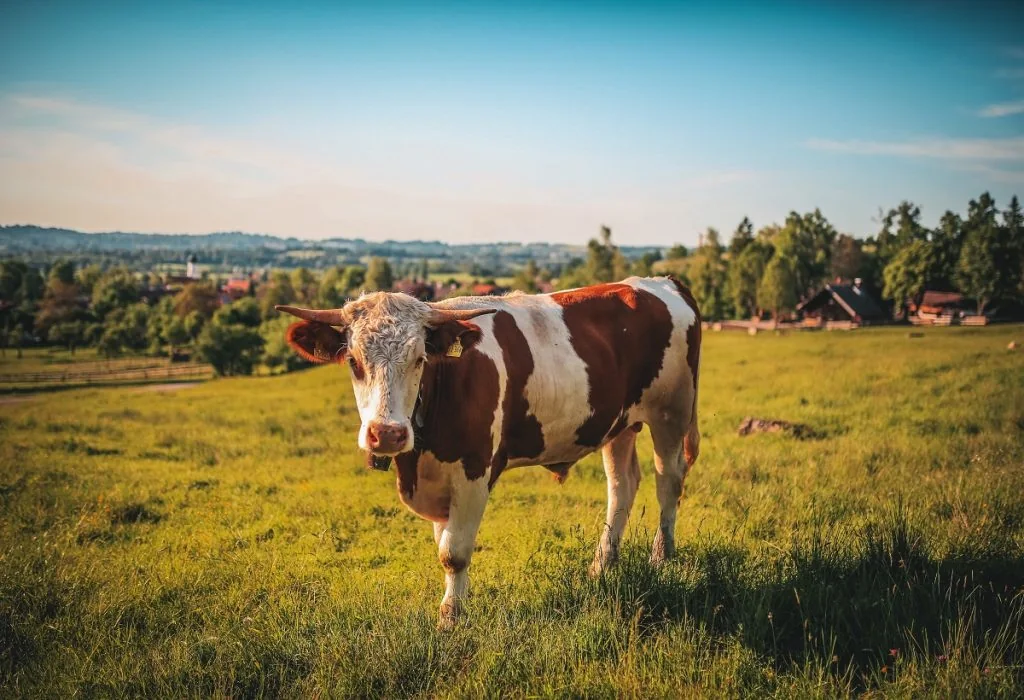
Precision feeding of dairy cattle: the key to health and performance
Proper calf rearing is a key element for the future development and productivity of cows. The first weeks of life are extremely important for their health and future production results, because during this time calves show significant growth potential, doubling their weight in two months. At the same time, they are very susceptible to stress and disease. Therefore, it is very important that breeders focus on maintaining a high level of health of calves, providing them with the best possible growth conditions.
Why is colostrum the most important meal in a cow's life?
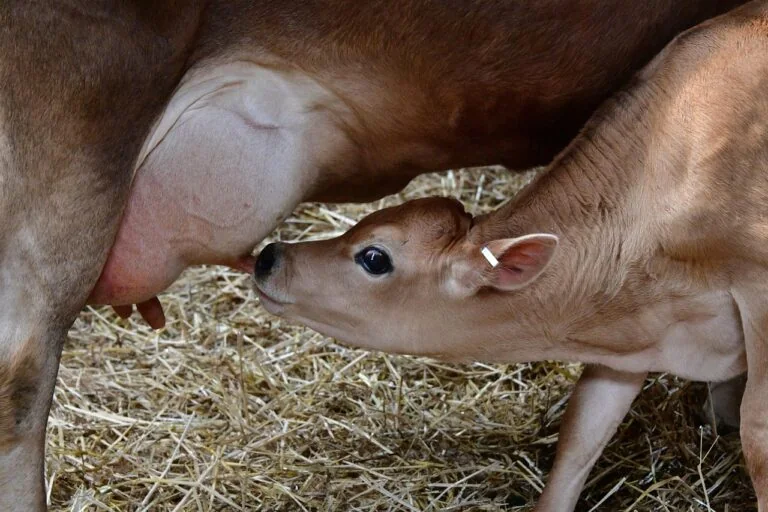
The first step after the calf is born is to give it 3-4 liters of high-quality colostrum, which contains antibodies needed to build immunity. Colostrum helps protect calves from disease in the first weeks of life. Colostrum milked within two hours after calving has the highest concentration of antibodies.
During the colostrum period, we program future milk yield.
Providing good quality colostrum improves calf health, reduces the risk of disease before weaning and reduces mortality. Research shows that colostrum results in faster growth of calves and subsequent higher milk production.
Register!Why precise nutrition is essential in dairy cow breeding today
The first weeks of calves' lives are extremely important for their future development and performance. Well-nourished calves grow better and are less exposed to diarrhea and respiratory diseases. Higher daily weight gain during the milking period translates into better productivity in the future. During this period, calves should be given milk replacers based on high-quality dairy raw materials, which are balanced to meet the nutritional needs of rapidly growing calves. Appropriate concentration, temperature and amount of milk replacer are important.
Hygiene is a fundamental factor
For a rearing program to be effective and ensure healthy, well-growing calves, it is necessary to maintain dry and clean conditions, often covered with fresh straw. A hygienic environment reduces the risk of infections and diarrhea, which are the main causes of falls among calves. Calves that experience diarrhea grow slower and have poorer production results in adulthood than those that were healthy. It is also important to regularly clean and disinfect feeding facilities and pens before placing young calves in them.
Nutrition and rumen development
Rumen development begins before weaning and is fundamental for a smooth transition from liquid feeding to solid feed. To ensure proper development of the rumen, it is necessary to provide concentrate feed in combination with high-quality hay and provide unlimited access to water. Calves with a well-developed rumen will consume larger amounts of feed and grow intensively after weaning. It is important that the feed is always fresh.
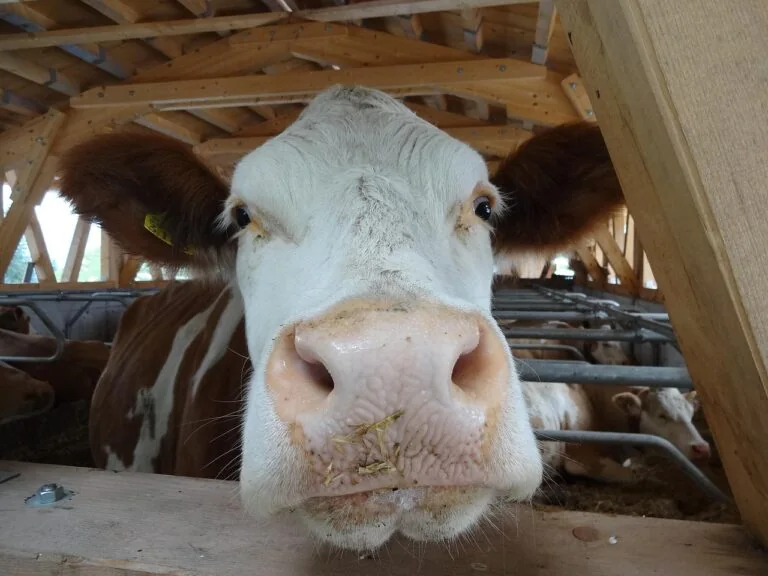
Precise feeding of dairy cattle is key to animal health, performance and welfare. By appropriately selecting feed ingredients, monitoring their quality and adapting the diet to the individual needs of cows, farmers can achieve better production and economic results. The use of modern technologies and continuous improvement of feeding practices contributes to increasing the efficiency of milk production and improving the quality of life of animals. Care for precise nutrition is an investment that brings long-term benefits for both breeders and consumers.
Do you have more questions? Contact us via the contact details below or write to us on Facebook!
Contact