

Seasonal feeding of dairy cattle - a guide for breeders
Seasonal feeding of dairy cattle: challenges and solutions for spring and summer
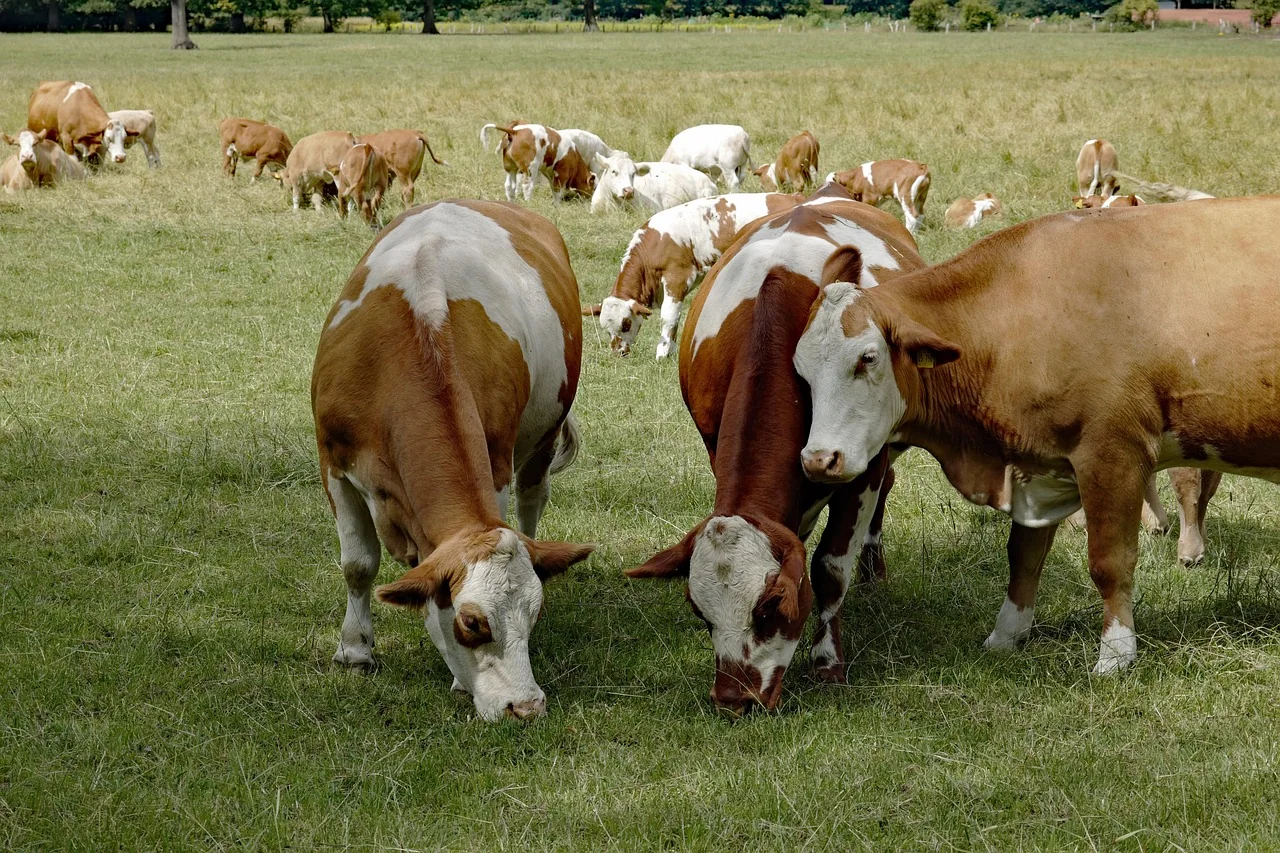
As spring and summer arrive, dairy farmers face a new set of nutritional challenges. Changing weather conditions require a flexible approach to composing food doses. Seasonal feeding of cattle is not only an opportunity to improve cow health and milk quality, but also a threat in the form of deficiencies or imbalance in energy balance.
Spring - the beginning of the transition period
Spring is the time when the cow's body adapts to changing weather conditions. Changeable weather and temperature fluctuations may affect feed intake and the rate of metabolic changes. It then becomes crucial to monitor TMR intake and ensure appropriate stability of food doses. During this period, before high temperatures appear, it is worth starting to observe indicators such as THI in order to react early to the upcoming heat stress.
It is equally important to maintain the appropriate dose structure - physically effective fiber (peNDF) plays a key role in the functioning of the rumen and preventing digestive disorders that may occur with sudden changes in the composition of feed. The stability of silage, its quality and protection against heating already in spring are important for the condition of cows and their preparation for the intense summer period.
Summer - how to maintain efficiency and health in the heat?
In summer, the main challenge is heat stress, which affects feed intake, milk production and the general well-being of cows. High temperatures cause a decrease in appetite, so doses must be as concentrated and easily digestible as possible.
To assess the risk of heat stress, the THI (Temperature Humidity Index) is used. When it exceeds a specific value, actions should be implemented to minimize the effects of stress, including: ensuring adequate ventilation, access to water and shaded places, but also changes in the feeding strategy.
Register!Supplementation and mineralization in summer
During this period, the demand for B vitamins, electrolytes and minerals increases - especially sodium, potassium and magnesium. Increased sweating and intense photosynthesis of plants cause fluctuations in their content in green fodder, which requires ongoing correction of supplementation. Also during this time, it is important to monitor dry matter intake and regularly assess BCS (body condition).
Download monitoring and TMR quality
High temperatures may lead to heating of TMR and silage. Fermentation processes occur faster, which causes a decrease in nutritional value. It is recommended to monitor feed temperature and feed intake at different times of the day. A practice that reduces losses may be feeding twice a day - preferably in the early morning and evening - or dividing one feed wagon into two portions.
The use of anti-heating additives and attention to hygiene at the place of feeding also improve its stability and reduce losses.
Smart Feed to the rescue!
The Smart Feed application fits perfectly into seasonal nutrition management, offering farmers tools to dynamically respond to changing conditions. The system allows you to control dry matter intake, assess profitability and monitor the herd's reaction to a specific TMR composition. Thanks to a thorough analysis of herd parameters, the application allows you to quickly adjust the dose to current needs.
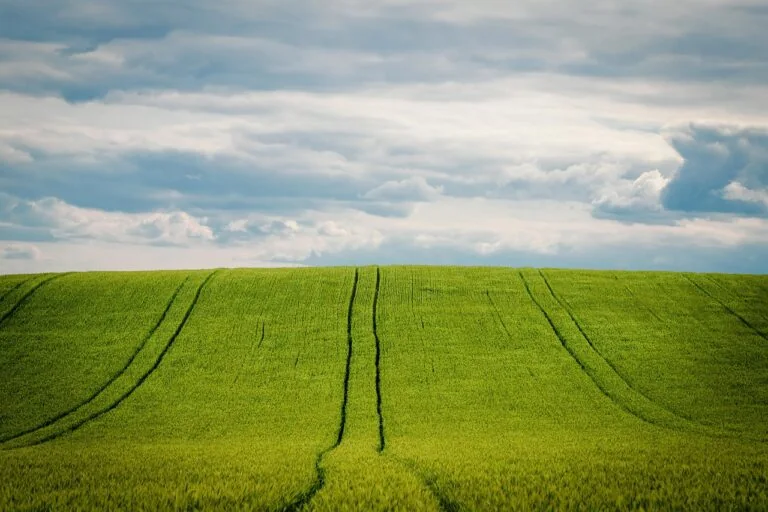
Spring and summer are a time of great opportunities, but also significant challenges in managing the nutrition of dairy cows. Temperature control, monitoring of feed heating and ongoing adjustment of doses to changing weather conditions are of particular importance. With the help of tools such as Smart Feed, breeders can act precisely, quickly and effectively - regardless of weather variability or season dynamics. If you want to be sure that your herd receives what it really needs - start operating seasonally, but with full control.
If you are interested in more practical tips - follow Smart Feed Sp. z o. o. on Facebook and our blog!
Contact