

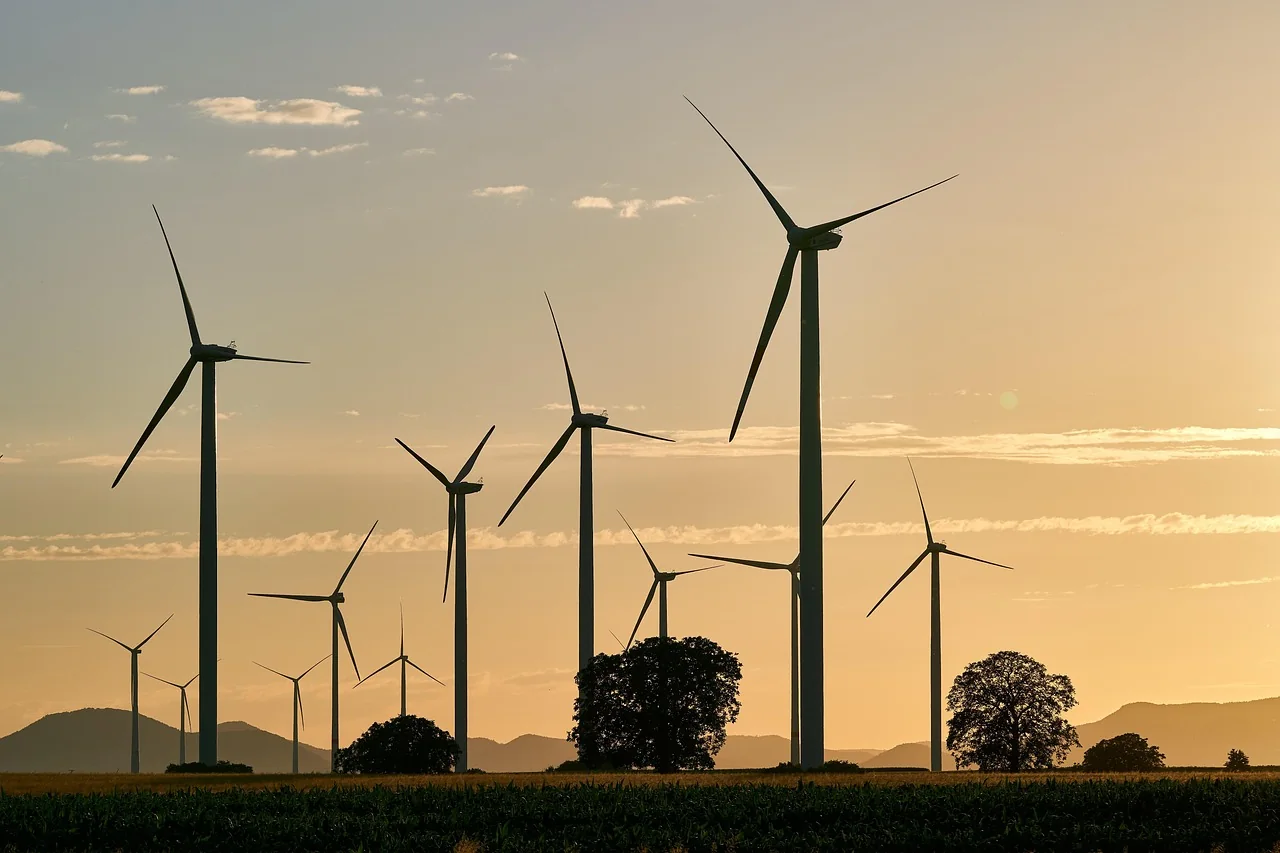
Carbon footprint in agriculture - meaning, causes, solutions
Currently, when more and more people pay attention to environmental protection, they talk about the so-called carbon footprint. However, not everyone is fully aware of what this term actually means. It is a measure of the amount of greenhouse gases such as carbon dioxide that are produced by human activities, the production of things and even services.
What is a carbon footprint?
The carbon footprint shows how much greenhouse gases a given thing, activity or person produces. It is expressed in terms ofcarbon dioxide (CO₂) for easier comparison. It covers the entire life cycle of a product: from production, through transport and use, to its disposal. In agriculture, the carbon footprint includes, for example, emissions from growing crops, raising animals, processing and transporting food, and storing it. The main greenhouse gases that cause climate change are carbon dioxide, methane and nitrous oxide. Governments, organizations and companies are trying to significantly reduce emissions of these gases and track their impact on the climate. That's why the idea of measuring the carbon footprint was born to assess the impact of various activities on the environment.
Why measure the carbon footprint in agriculture?
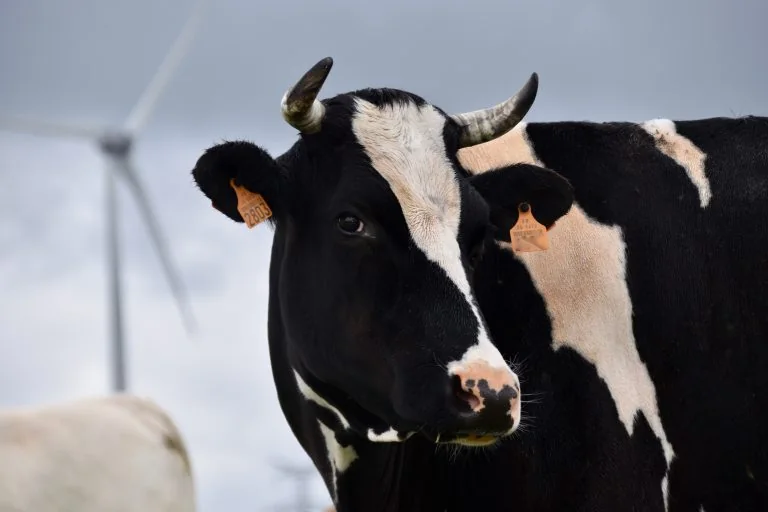
Measuring your carbon footprint allows you to determine which elements of agriculture are the main sources of greenhouse gas emissions. These include: gas emissions from the soil (e.g. nitrogen oxides released during fertilization), methane released by cattle, as well as fuel consumed by agricultural machinery and transport. Carbon footprint analysis can also show where things can be improved to reduce emissions. This can be achieved, for example, by using modern irrigation systems, reducing chemical fertilizers or switching to organic farming. By measuring their carbon footprint, farmers and companies can make more informed decisions, which benefits the environment. Introducing sustainable practices can be beneficial not only for nature, but also for the economy. Moreover, the number of people who want to buy products with a visibly lower impact on the environment is increasing. Information about the low carbon footprint of products can help you choose more ecological options and is also a good element of promotion. Additionally, governments and international organizations are introducing regulations that help reduce emissions. A well-measured carbon footprint allows you to check whether your business complies with these regulations and facilitates the implementation of sustainable development policies.
Why is carbon footprint in agriculture a problem?
Agriculture significantly influences global greenhouse gas emissions, accounting for approximately 10-12% of global emissions. In Poland, in 2018, agriculture generated approximately33.1 million tons of carbon dioxide, or 8% of national emissions. This is comparable to emissions from industry and waste. The importance of the carbon footprint in agriculture increases as the demand for food increases. It is estimated that emissions from food could continue to rise if we do not change current production methods. Therefore, agriculture can play an important role in the fight against climate change.
 Register!
Benefits for the farm and the planet
Climate change means agriculture must become more environmentally friendly. This will not only reduce emissions, but also increase food security for the future. Joint action by farmers, policymakers and society can help create new strategies that reduce the carbon footprint of agriculture. Measuring the carbon footprint is an important indicator that shows how much impact agriculture actually has on the climate. Introducing actions in response to this problem can significantly help agriculture fight climate challenges and thus support sustainable development.
Undoubtedly, the carbon footprint itself is one of the biggest problems of modern agriculture, but also of the entire production sector. Smart Feed Sp. z o. o. offers a number of solutions in the field of sustainable development. In our application you will check the entire economic analysis of the doses used, including the methane emission counter.
In order to effectively fight the carbon footprint and climate change - you need to educate. If you are looking for proven and up-to-date information on this topic, as well as many others in the agricultural sphere - check our website and our profile on Facebook! Here you will find various news and interesting facts, as well as advice from the best nutritionists.
Contact