

Heat stress in cows - what is it and how to prevent it?
Heat stress in cows is one of the very serious problems that are worth paying attention to, especially in the summer. As temperatures and humidity increase, cows' bodies must cope not only with harsh conditions, but also changes in behavior and diet, which affects their health but also production. Understanding how to counteract these negative effects is crucial for every breeder who cares for his herd, so we encourage you to read the article we prepared!
What is heat stress in cows?
It is a state of overheating of the animal's body, caused by high temperature and humidity, which most often occurs in summer, especially in June, July and August. The effect of this phenomenon is a decrease in milk production, reaching up to 30 to 35%. This is because high temperature significantly affects the metabolic processes in the cow's body and also leads to reduced feed intake.
During heat stress, cows can significantly change their behavior in an attempt to minimize overheating.
Blood flow to the subcutaneous layer increases, which helps release heat, and sweating, breathing and salivation increases. More importantly, these processes require a lot of energy, which comes at the expense of milk production. Cows also reduce their activity to reduce body heat production and try to change the composition of their diet. They are less likely to eat fiber-rich feed, which generates more heat during digestion, and reach for more concentrated feed. In addition, cows eat more often at night when it is cooler and consume smaller amounts of feed, but at more regular intervals.
Register!The impact of hot weather on production efficiency is most visible in cows that naturally produce a lot of milk because their bodies work at very high speed. The cow's reaction to heat stress also depends on its physiological condition and intensifies mainly during peak lactation. It may also lead to a decrease in the animal's immunity, which in turn may cause various health problems - such as: inflammation of the uterine mucosa, retained placenta, or mastitis, i.e. inflammation of the udder.
How to prevent heat stress - practical actions
A breeder who wants to limit the impact of hot weather on the appetite and health of cows should take care of several key aspects. First of all, animals should be provided with constant access to fresh water and freshly prepared feed, fed even three to four times a day, especially to high-yielding cows. It is also worth increasing the amount of feed available at night and ensuring it is properly mixed to avoid feed sorting and acidosis. You should also avoid drying it out, which can be achieved, for example, by pouring water on it, and clean the nursery regularly to avoid food residues spoiling. Additionally, fans mounted above the feed table can encourage cows to eat more often.
Proper nutrition and heat stress in cows
In order to alleviate the effects of heat stress, it is recommended to add ingredients to the feed, such as feed fats, preparations with electrolytes, or additives that prevent rumen acidosis, such as sodium bicarbonate and feed yeast. Feed fat can also compensate for energy deficiencies resulting from lower feed intake, and in addition, its digestion generates less heat than carbohydrates. Electrolytes such as potassium are also important because cows lose them through sweat in hot weather. In turn, antioxidants such as selenium, vitamin E and beta-carotene support immunity. To provide cows with appropriate nutrients, it is worth using special mineral and vitamin mixtures intended for the summer heat.
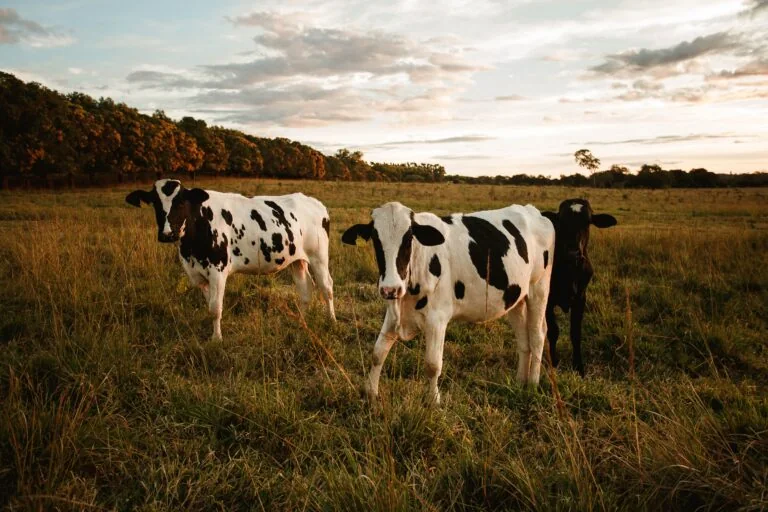
Heat stress in cows is definitely a big challenge that requires both a conscious approach to nutrition and skillful herd management, especially during high heat. With appropriate strategies, you can significantly reduce its negative effects and improve the comfort and performance of animals.
If you want to learn more about optimal nutrition and the latest breeding methods, please read other articles on the Smart Feed website! Follow us also on Facebook to stay up to date with practical advice and news from the world of agriculture.
Contact