

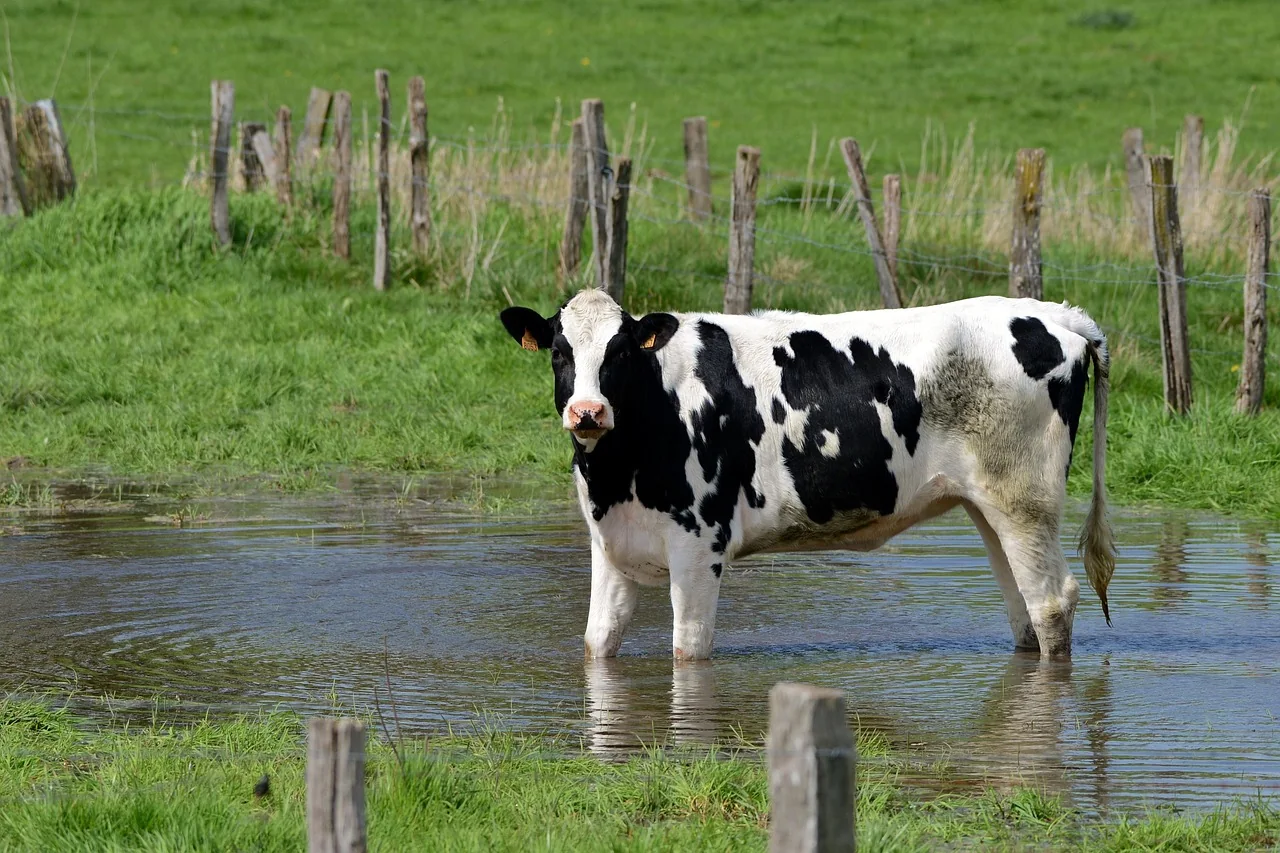
Water in the diet of dairy cattle - how quality and quantity affect the productivity of dairy cows
Water is the most important component of the diet of dairy cattle - often more crucial than feed or protein. The quantity and quality of water have a direct impact on milk yield, cow health and their welfare. Check how to ensure proper watering and avoid production losses.
Why is water important in the diet of dairy cattle?
A milk-producing cow needs more water than any other farm animal - up to 150 liters a day, depending on temperature, productivity and type of feeding. According to the classic guidelines of the National Research Council (NRC), each additional unit of milk increases the demand for water by approximately 4-5 liters. Research shows that the amount of water taken has a direct impact on feed intake and milk yield. If a cow drinks too little, her appetite decreases faster, and thus her milk production decreases. Therefore, ensuring constant and convenient access to clean water is one of the simplest and most effective ways to improve production results.
How much water does a dairy cow need?
The amount of water consumed is influenced by many factors, such as milk yield, ambient temperature, humidity, composition of the ration, and salt content in the feed. A high-yielding cow, producing about 35-40 liters of milk a day, may need up to 120-150 liters of water a day, especially during hot periods. During heat stress water consumption may increase by 30-40%, as shown by research published in the Journal of Dairy Science in 2024. Water temperature and availability play a key role in mitigating the effects of heat stress. If the waterers are too far away or are dirty, cows limit their drinking, which immediately translates into a decline in milk production and a greater risk of metabolic disorders.
Try the DEMO!Water quality - an invisible but crucial factor
Not only the quantity, but also the quality of water determines the health and performance of cattle. Too high a content of salt, sulphates, iron, manganese or nitrates may reduce feed intake, impair digestion and affect the taste of milk. Moreover, it can lead to diarrhea, reproductive problems and even poisoning. Therefore, experts recommend that the water on the farm be tested at least once a year - both in microbiological and chemical terms.
Water quality and cattle health and productivity
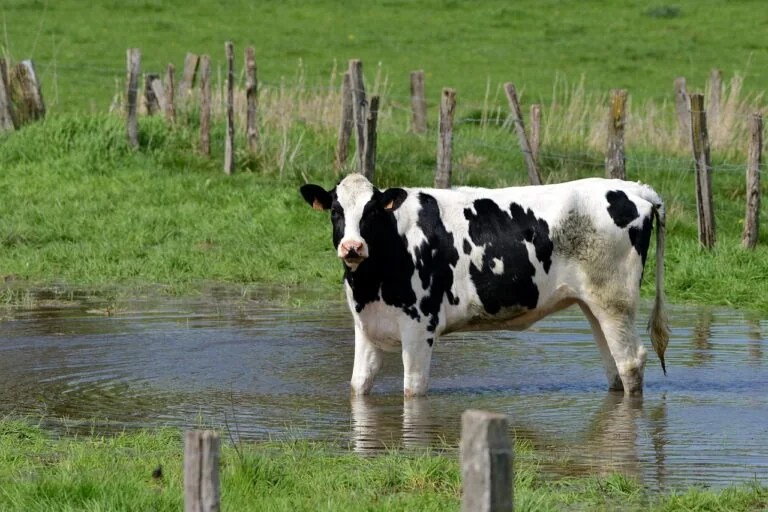
Good quality water affects not only production, but also the health of calves and adult cows. Studies have shown that contaminated or salty water increases the risk of diarrhea in calves, and in cows - udder infections and digestive disorders. In turn, a review published in the Journal of Dairy Sciencein 2021 showed that limiting access to water is not only a production problem, but also an ethical one. Animals deprived of the opportunity to drink freely feel stressed, are more likely to fall ill and show abnormal behaviors, such as licking surfaces or drinking from puddles.
Cow watering system - practical recommendations
Recommendations developed by FAO and Penn State University say that the farm should have at least one waterer for every 15-20 cows, and in large groups, preferably one for every 10 cows. Water should always be clean, cool - preferably between 10 and 17°C - and easily accessible. Regular cleaning of drinkers and flow control are absolutely essential. Cows prefer to drink right after milking and after a meal, so it is worth placing drinkers both at the feed table and near the milking parlor.
Modern technologies in monitoring water consumption
More and more breeders notice that access to water and the method of administering it are an integral element of the feeding system. Although the Smart Feed application is not used directly to manage waterers, it enables the analysis of nutritional data that may indirectly indicate problems with water intake. For example, a sudden drop in feed intake may be the result of contaminated water or a waterer failure. Data integration with measurement systems, such as those offered by Dinamica Generale, allows the farmer to take a broader look at the entire feeding process - from feed quality to environmental conditions affecting water intake. Thanks to such solutions, you can react faster to irregularities and maintain optimal conditions in the barn.
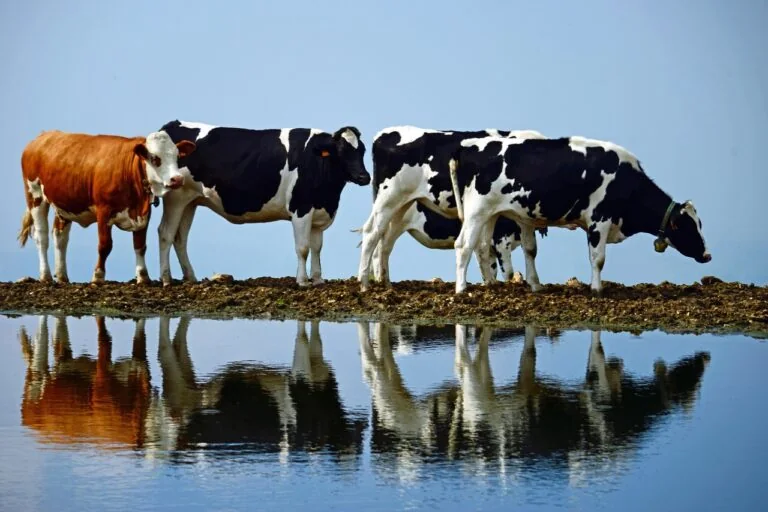
Water is the cheapest, but often the most underestimated ingredient of nutrition. Its quantity and quality directly affect the health, productivity and comfort of dairy cows. Regular water quality tests, clean drinkers and appropriate arrangement of watering points are the basic elements of effective herd management. Combined with modern technologies supporting nutritional analysis, the breeder can achieve better production results while maintaining a high level of animal welfare.
Do you want to know more about modern nutrition and herd management? Follow our profile on Facebook and visit Smart Feed blog, where you will find practical advice and news from the world of modern agriculture!
Contact