

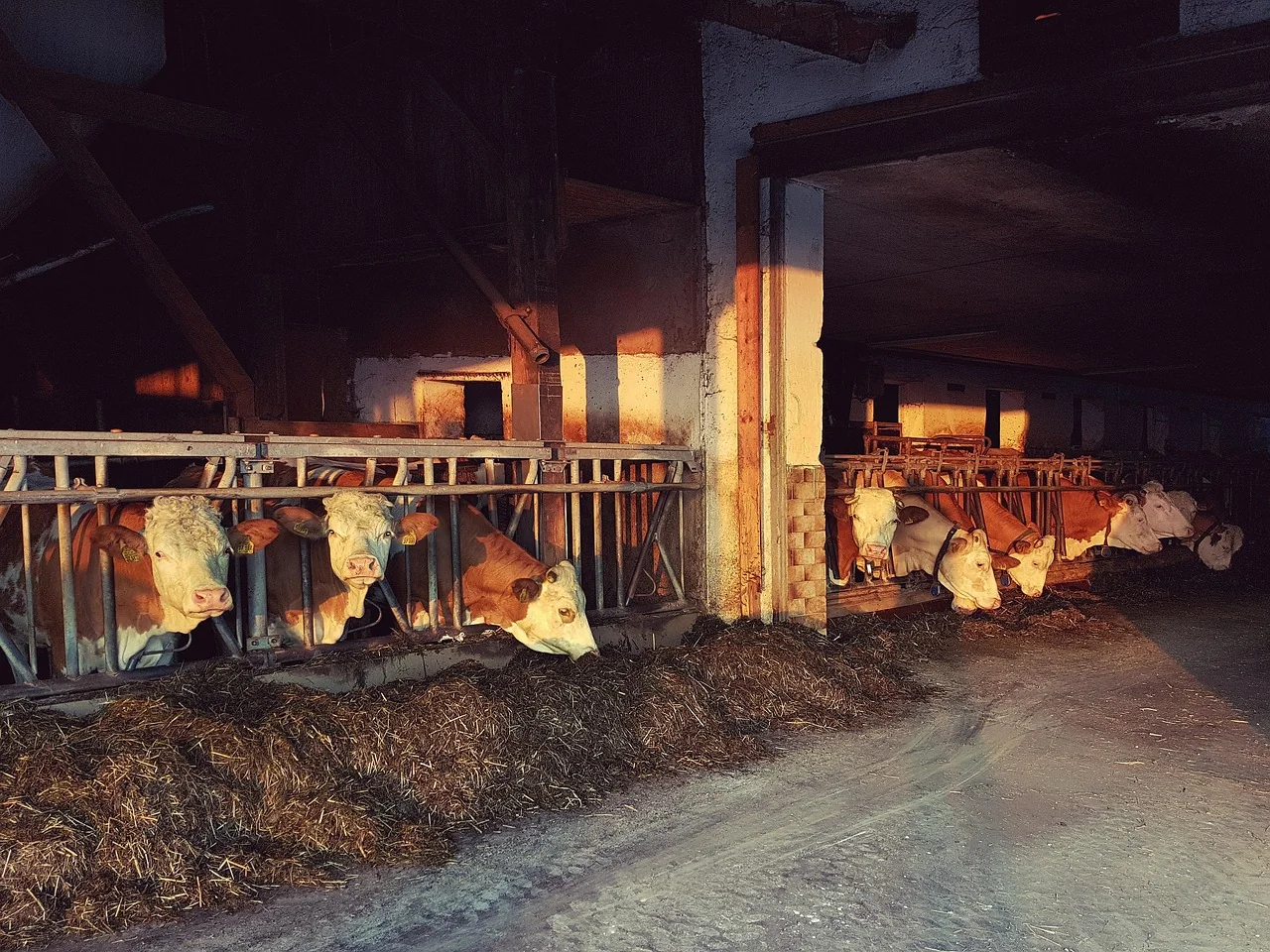
Metabolic disorders in cows: ketosis, acidosis, displacement of the abomasum
Why are metabolic disorders such a common problem in dairy herds?
Metabolic disorders in cows are one of the most common health problems in modern milk production. They most often appear around calving and at the beginning of lactation, i.e. when the cow's body is most stressed.
Research shows that ketosis, ruminal acidosis and displacement of the abomasum are interconnected and often result from similar nutritional errors. In many cases, the problem is not in one component of the feed, but in its structure, energy and method of feeding.

Ketosis - when the energy balance gets out of control
Ketosis is a metabolic disorder that occurs when a cow after calving is unable to obtain sufficient energy from feed. The body then begins to use fat reserves, which leads to an increase in ketone bodies in the blood.
Research shows that cows with ketosis often experience:
- reduced appetite,
- decreased milk yield,
- higher risk of other postpartum diseases.
The risk of ketosis increases when the feed ration does not cover energy needs or when feed intake is unstable. The quality and repeatability of nutrition are of key importance here, especially in the first weeks of lactation.
Rumen acidosis - the problem of too fast fermentation
Rumen acidosis develops when there are too many easily fermentable carbohydrates and too little structural fiber in the ration. This leads to a drop in rumen pH and disruption of the microflora.
Scientific sources show that chronic acidosis may:
- reduce feed intake,
- impair nutrient utilization,
- increase the risk of lameness and hoof problems,
- indirectly promote the displacement of the abomasum.
In practice, the problem is often not the recipe itself. dose, but its mixing and administration in the barn - variable feed proportions and uneven TMR intake by cows.
Register!Displacement of the abomasum - the result of disturbed nutrition
Displacement of the abomasum is a disease that most often occurs in the first weeks after calving. Research and practical guides indicate that the risk of this problem increases with:
- low feed intake,
- negative energy balance,
- ruminal acidosis,
- too little structural fiber in the ration.
The abomasum moves when its filling and motility are impaired. That is why stable rumen function and regular feed intake from the first days of lactation are so important.
The role of vitamins and microelements in the prevention of metabolic disorders
Research shows that proper energy metabolism and immunity of cows are strongly related to the availability of selected vitamins and microelements. Cobalt is necessary for the synthesis of vitamin B12 in the rumen, which plays an important role in energy metabolism. Deficiencies can aggravate energy balance problems and promote ketosis. Vitamin E, as a strong antioxidant, supports cows' immunity and helps reduce inflammation in the peri-calving period, which indirectly reduces the risk of metabolic disorders. Sources emphasize that the most critical moment for supplementation is the transition period, i.e. a few weeks before and after calving.
How to prevent metabolic disorders in practice?
Analyses of research and recommendations show that prevention is based on several key principles:
- appropriate concentration of energy in the dose,
- sufficient amount of structural fiber,
- stable feed intake,
- adapted supplementation of vitamins and minerals.
Importantly, even a well-balanced dose will not fulfill its role if the cows do not consume it evenly or if the composition feed varies from day to day.
Why is the repeatability of nutrition so important?
Research and experience from farms show that many metabolic problems result from differences between the planned dose and the one actually consumed by cows. Uneven feeding, losses, segregation of feed or variable doses may disturb metabolism even with a well-formulated recipe.
That is why more and more attention is paid to the precision and control of feeding, and not only to the dose recipe itself.
How does Smart Feed support the prevention of metabolic disorders?
Smart Feedis not a medicine or a feed additive, but a tool that helps maintain repeatability and control of feeding in practice. Thanks to this, the breeder has greater certainty that cows receive the planned dose every day.
Stable nutrition promotes:
- better feed intake after calving,
- more predictable rumen function,
- reducing the risk of ketoses, acidosis and abomasum problems.
This consistency in feeding is one of the key elements in preventing metabolic disorders.

Ketosis, ruminal acidosis and displacement of the abomasum are problems that often have a common source: disturbed nutrition in the peri-calving period. Research clearly shows that a stable dose, appropriate feed structure and proper vitamin and mineral support are crucial for cow health. The better nutrition is controlled in practice, the lower the risk of metabolic diseases and production losses.
If you want to regularly receive practical information about cow health, nutrition and modern herd management, follow Facebook Smart Feed and visit bloga on our website!
Contact