

Pasture management on small farms - efficiency vs costs
For many smaller farms, pasture is the primary source of feed. How it is used and cared for directly affects the condition of the herd and, consequently, the profitability of production. Well-managed pastures allow you to reduce concentrate purchases, improve animal health and extend the grazing season. However, each of these activities involves costs - from fences and watering systems to expenditure on land renovation.
Rotation or continuous grazing - which is more profitable?
Many studies emphasize that the rotation system, although it requires greater expenditure at the beginning (fences, pasture division, water installations), is much more economically advantageous in the long run than continuous grazing. Cows have access to fresh, growing grass and the soil has time to regenerate. In practice, this means lower expenses on additional feed and better productivity per hectare. On small farms, rotation is often associated with greater labor intensity, but over time the investment pays off in the form of healthier animals and lower feeding costs.
Costs of pasture renovation - expense or investment?
Renovation and reseeding are treatments that may be cost-inducing, but data from Australia and the USA show that well-conducted renovation increases biomass yield and improves feed quality. According to analyses, the cost of renovation can be paid back within 2-3 seasons thanks to increased efficiency and reduced need to purchase additional feed. It is important to make the decision about renovation based on the condition of the sward, not out of habit.
Register!Sustainable systems - more than just grazing
FAO and WWF pay attention to integrated arable and pasture systems. In practice, this means, for example, sowing fodder plants on arable land or including catch crops as an additional source of feed. Such solutions improve the feed balance on small farms, while supporting soil health and reducing erosion.
How can Smart Feed help?
Modern applications such as Smart Feed allow you to better plan the use of feed - including that coming from pastures. Thanks to the current analysis of the nutritional value and demand of the herd, the farmer can assess when the grass covers the nutritional demand and when support with additional feed is necessary. This minimizes the risk of losses and allows for better use of each hectare.
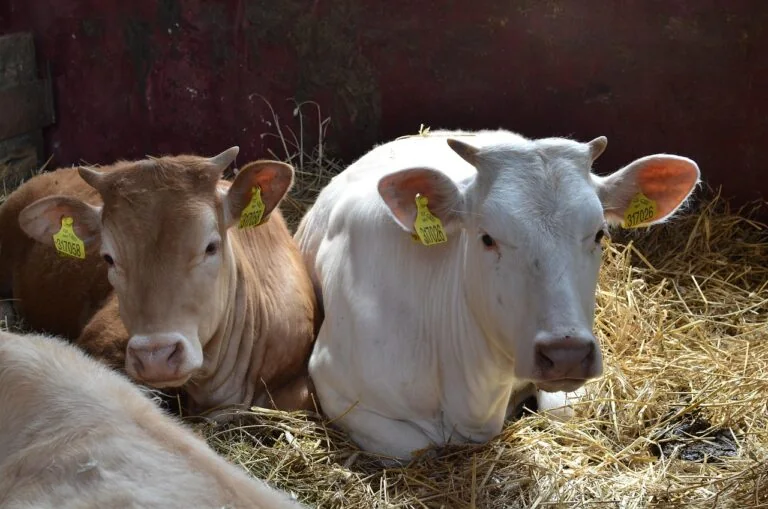
Pasture management on small farms is a balancing act between costs and efficiency. The introduction of a rotation system, regular renovation and integrating grazing with the cultivation of fodder plants are solutions that require investment, but in the long term they actually improve profitability. Thanks to the support of modern tools such as Smart Feed, small farms can make decisions based on data, not intuition. This allows you to maximize the potential of pastures and at the same time control expenses.
Therefore, we encourage you to follow our Facebook and blog on the Smart Feed website to always be up to date with practical advice and news for breeders!
Contact