

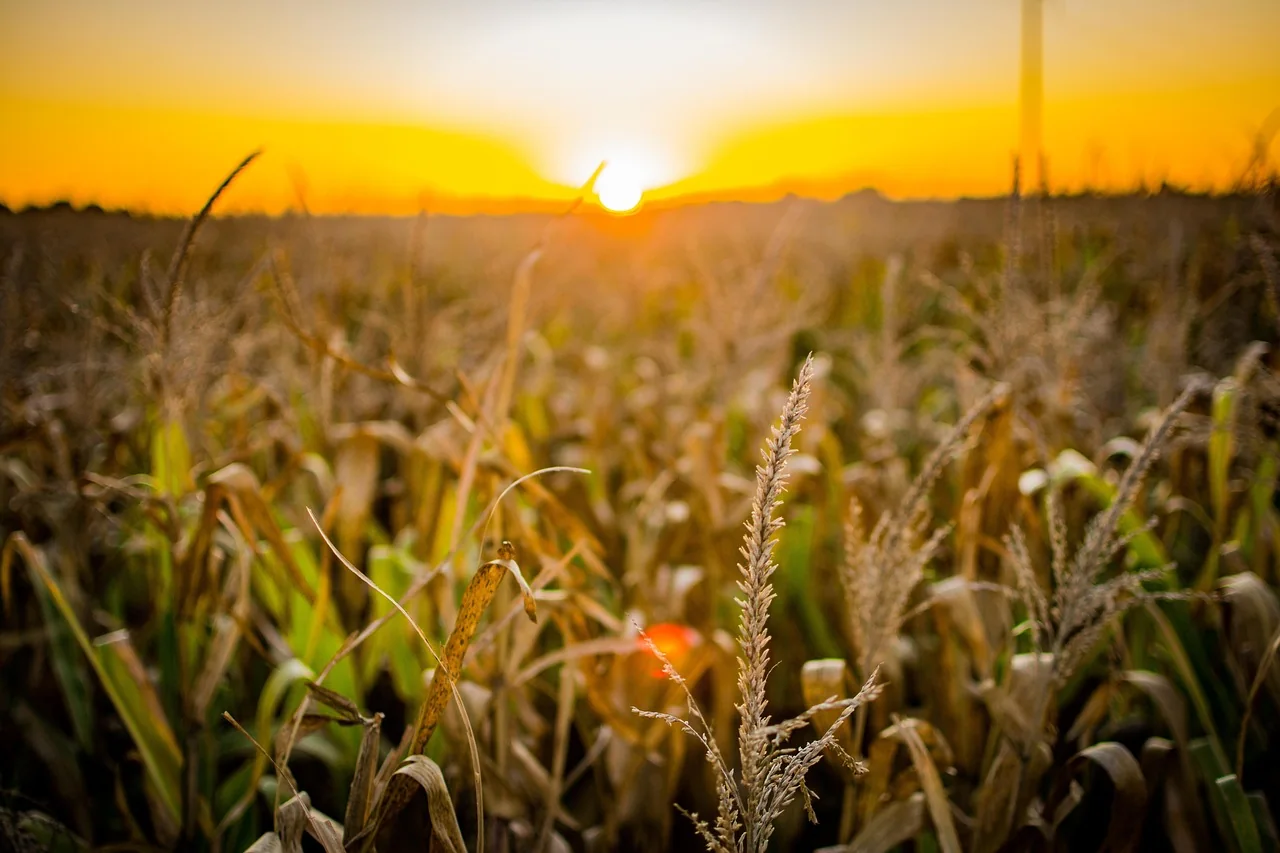
Climate changes and their impact on feed quality and cattle performance
Climate change is becoming one of the most important challenges of modern agriculture. They affect not only the natural environment, but also the quality of feed and the efficiency of dairy cows. Rising temperatures, variability of rainfall and increasing extreme phenomena lead to deterioration of feed production conditions, which directly translates into the profitability of cattle breeding. However, tools such as Smart Feed can help farmers adapt to new realities.
How do climate changes affect the quality of feed?
Changing climatic conditions, such as longer periods of drought, intense rainfall and higher temperatures, affect the growth and quality of forage plants. Droughts reduce water availability, resulting in lower yields and poorer nutritional value of feed. In turn, excessive rainfall leads to soil erosion and loss of minerals, which reduces the quality of grass and cereals. Higher temperatures encourage the growth of molds and toxins in feed, such as mycotoxins, which can negatively impact the health of dairy cows. Additionally, the variability of weather conditions makes it difficult to plan harvests and store feed, which further increases the risk of quality losses.
Climate change - impact on the productivity of dairy cows
Climate change is also directly affecting dairy cattle, causing increased heat stress that reduces their performance. High temperatures and humidity can lead to reduced feed intake by cows, which results in reduced milk production and deterioration of its quality. Heat stress also increases the risk of health problems such as ruminal acidosis, which further reduces breeding efficiency. Increasing extreme phenomena, such as storms or floods, may lead to disruptions in the supply of feed and difficulties in maintaining appropriate conditions in buildings. All these factors mean that farmers must look for new ways to deal with the challenges of climate change.
Register!Smart Feed is here to help!
Smart Feed is an application that provides farmers with innovative solutions to everyday challenges, especially in the context of climate change. Its unique capabilities allow you to dynamically adapt your feeding strategy to current environmental and economic conditions. Smart Feed not only balances feed rations, but also takes into account the impact of feed quality on cow performance and health, providing data in the form of intuitive reports.
The application also promotes sustainable practices by encouraging the use of local feed, which reduces dependence on imports and reduces the carbon footprint. Smart Feed is a solution that combines technology, science and practice, supporting breeders in sustainable development and counteracting the negative effects of climate change.
Adaptation to new conditions
Adaptation of farms to climate change requires not only new technologies, but also a change in management approach. Farmers should invest in monitoring systems that allow for better prediction of weather conditions and planning of activities. It is also important to introduce sustainable farming practices, such as the use of organic fertilizers or crop rotation, to improve soil quality and increase the resistance of plants to changing climatic conditions.
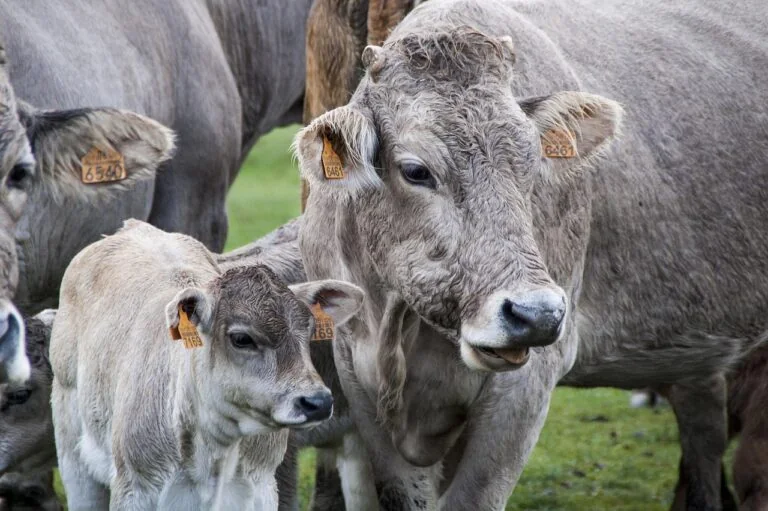
Climate change poses numerous challenges to agriculture, but at the same time opens up opportunities to implement innovative solutions that can improve the efficiency and sustainability of production. Smart Feed is a tool that supports breeders in adapting to new realities, helping to optimize cattle nutrition and deal with problems related to the quality of feed and the efficiency of dairy cows. Investing in modern technologies is a step towards more resilient and profitable agriculture. If you want to find out how Smart Feed can support your farm, visit our website and Facebook today!
Contact