

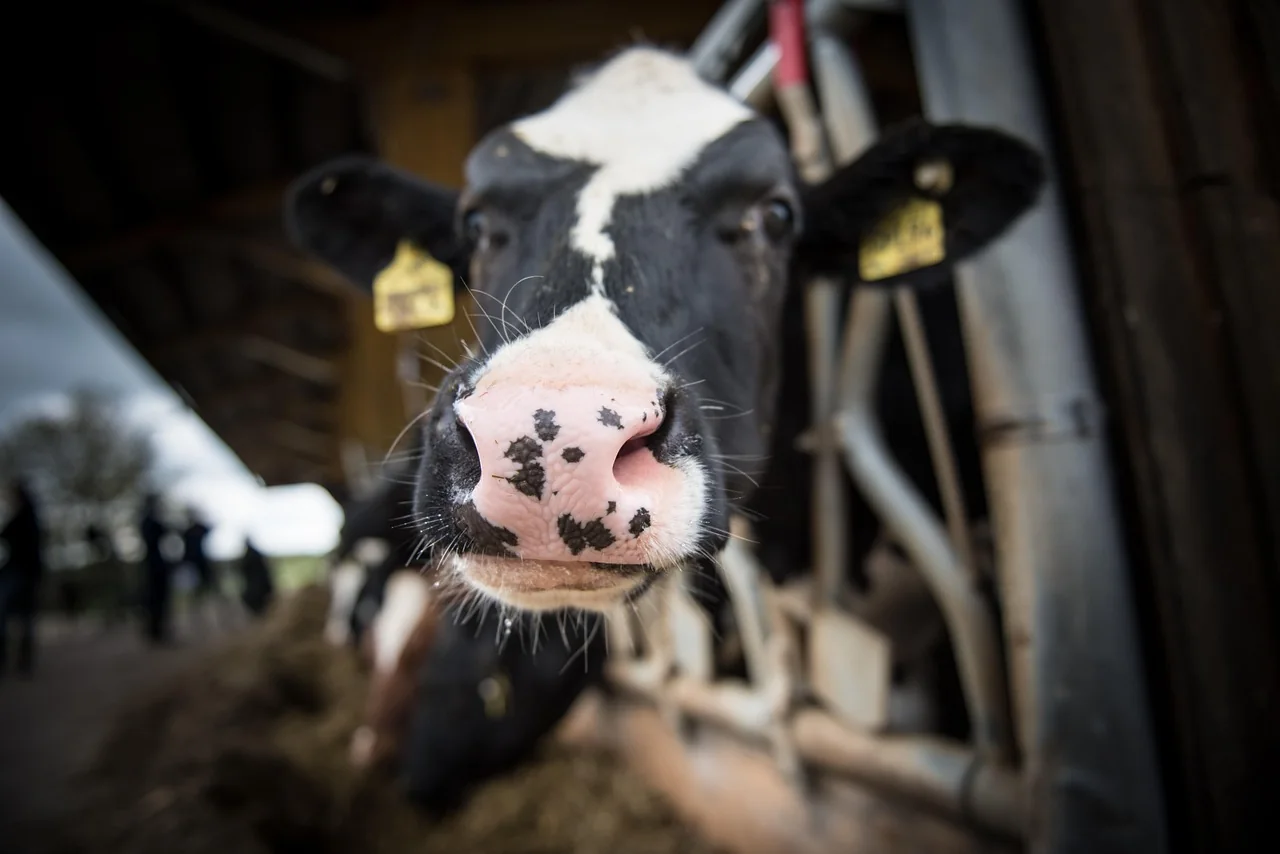
Sustainable cattle feeding - how to combine efficiency with care for the environment?
Why is sustainable cattle feeding so important today?
Sustainable animal nutrition is a topic that appears more and more often not only in EU documents, but also in everyday conversations of breeders. And for good reason. FAO reports and environmental analyzes clearly show that animal production has a real impact on greenhouse gas emissions, consumption of feed, water and natural resources. At the same time, we cannot talk about limiting production - because the world needs more and more food.
Therefore, the key question is: how to produce efficiently, but at the same time more responsibly? The answer to this question largely begins with nutrition.
What is sustainable animal nutrition in practice?
It is clear from scientific reviews and industry documents that sustainable nutrition does not mean "producing less". The idea is to better use nutrients, limit losses and adjust doses to the real needs of animals.
According to the analyzes of the JRC (Joint Research Center) and MDPI (Multidisciplinary Digital Publishing Institute), some of the biggest environmental problems in animal nutrition are:
- excess protein in the dose,
- unused nitrogen and phosphorus,
- low feed efficiency.
Sustainable nutritional strategies therefore focus on precision - so that each unit of feed translates into production, not losses and emissions of harmful gases.
Nutrition efficiency and environmental impact
Research shows that the better balanced the dose, the smaller the environmental footprint of production. An animal that uses feed efficiently produces less methane and excretes less undigested ingredients into the environment.
This means that:
- improving feed utilization reduces greenhouse gas emissions,
- better dose adjustment reduces losses of nitrogen and phosphorus,
- stable nutrition supports animal health and longevity.
In practice, balanced nutrition very often goes hand in hand with better farm economics, which is confirmed by both JRC reports and FEFAC (European Feed Manufacturers' Federation) positions.
Create an account!What nutritional strategies support sustainable production?
Scientific and industry sources point to several common directions. One of them is improving the quality and matching of roughage, because they constitute the basis of the dose and have a huge impact on the efficiency of digestion.
Another element is the precise balancing of protein and energy to avoid surpluses that do not improve production and increase the burden on the environment. FEFAC documents and JRC reports emphasize that excess protein in the ration is one of the main factors increasing nitrogen emissions.
Research also shows examples of feed additives, such as FutureFeed (Asparagopsis), which reduce methane emissions in ruminants under research conditions. However, this is only one element of a broader strategy, not a solution replacing precision nutrition.
The role of dose management in balanced nutrition
The documents of the University of Life Sciences in Lublin clearly show that even the best planned dose may lose its benefits if it is not carefully implemented in practice.
Differences between the dose written "on paper" and the one actually delivered to the animals lead to:
- feed losses,
- surpluses of ingredients,
- reduced feeding efficiency.
Therefore, more and more emphasis is placed on controlling the process of feeding and mixing the feed, and not only on the recipe itself.
Balanced nutrition and Smart Feed
This is where Smart Feed naturally comes into play. Sustainable nutrition is not just about choosing "better" feeds, but about accurate and repeatable dose management every day.
Smart Feed helps you monitor whether the planned dose is actually implemented in practice. Moreover, the methane calculator in the application allows you to calculate possible emissions.
This makes it possible to:
- reduce feed losses,
- better use of nutrients,
- greater stability of nutrition for the entire herd.
This is important because, as environmental reports show, even small losses on a daily basis translate into a real environmental footprint and higher feeding costs throughout the year.
Why is sustainable nutrition the direction of the future?
Health for Animals and FEFAC documents clearly indicate that sustainable animal production will be increasingly linked to market requirements and regulations. Nutrition is one of the most important areas in which efficiency can be improved without compromising production results.
Sustainable nutrition is therefore not a passing trend, but a practical approach that combines farm economics, animal health and environmental responsibility.
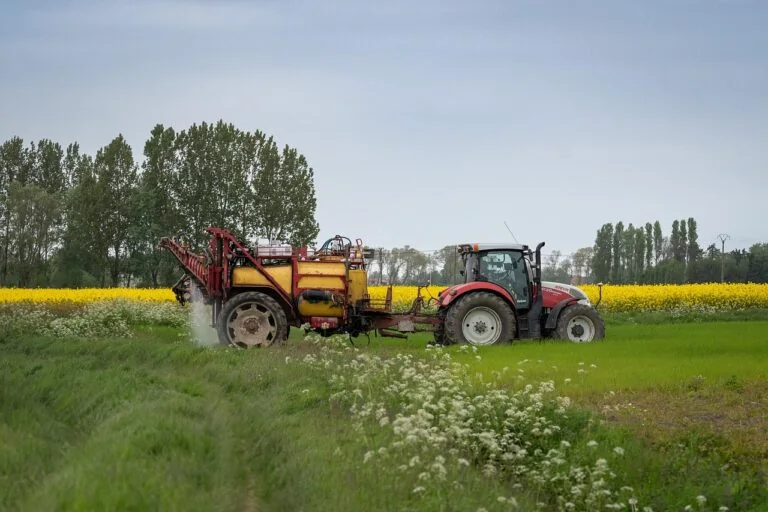
Sustainable animal nutrition is not about revolution, but about better use of what we already have. Precise balancing, limiting losses and controlling the use of the dose allow you to simultaneously improve production results and reduce the impact on the environment.
If you want to learn more about the modern approach to nutrition and management of the dose in practice, follow our Facebook page and read Smart Feed blog, where we regularly share knowledge based on research and practical experience from farms.
Contact