

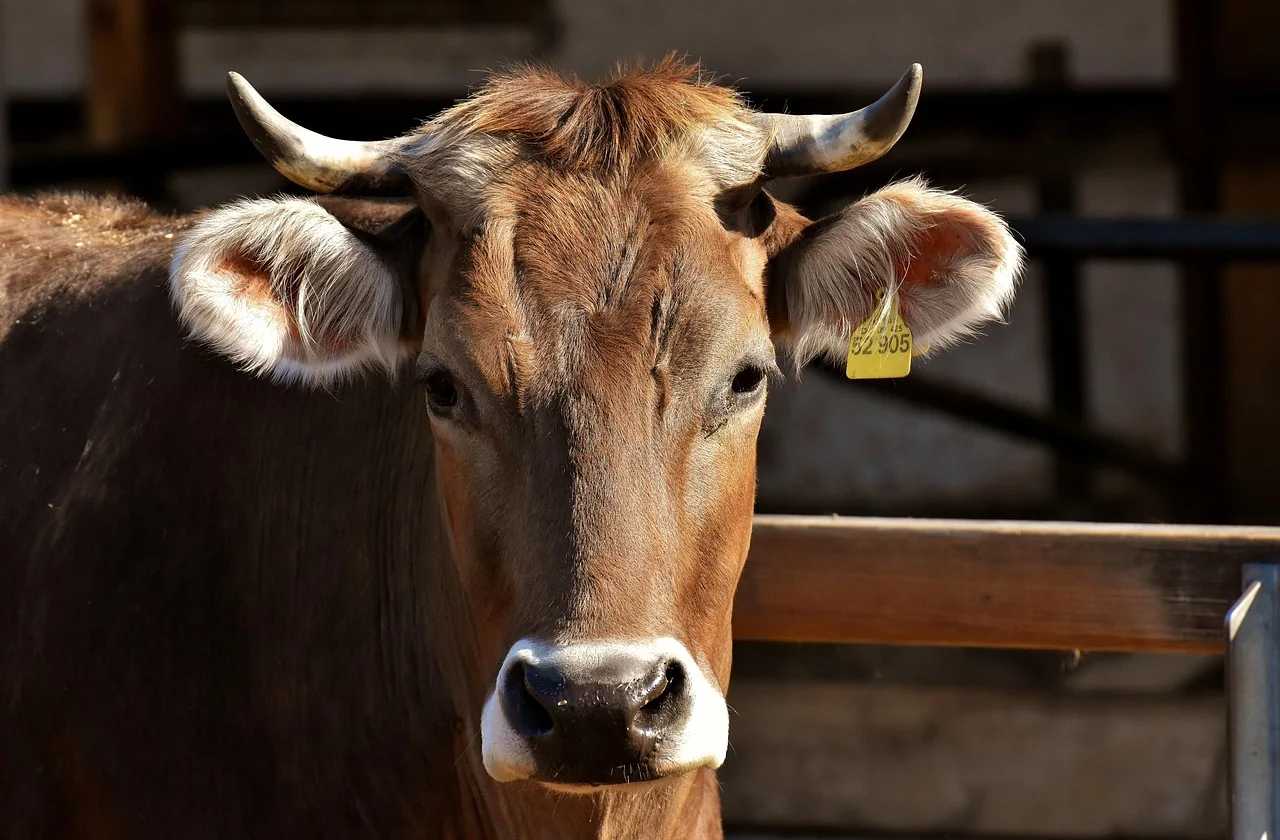
Modern cattle nutrition - applications and systems for farmers
Modern agriculture is becoming more and more technologically advanced, and one area that particularly benefits from innovation is cattle feeding management. Thanks to intelligent systems and mobile applications, breeders can precisely control the processes related to feed preparation - through age- and technological-group-appropriate optimization. Adaptation to the latest technologies is the key to proper nutrition management nowadays.
Automation in farm management
Modern technologies allow for the automation of key processes on the farm, such as milking, feeding and manure removal. Thanks to intelligent algorithms and sensors, it is possible to monitor the health of animals and conditions in the barn 24 hours a day, which significantly reduces the risk of human errors and increases work efficiency. Automation of processes not only relieves farmers, but also ensures better hygienic conditions and animal comfort, which translates into their higher productivity. It is worth emphasizing that advanced systems on farms enable data collection in real time. Information about temperature, humidity and animal health is sent to applications that analyze them and suggest optimal actions. Thanks to this, breeders can make quick decisions that improve production results and reduce operating costs.
Cattle feeding - precise and effective management
Cattle feeding management plays a key role in animal health and milk production efficiency. Advanced systems based on algorithms and artificial intelligence enable precise determination of food doses, tailored to the individual needs of the herd. The technology also allows tracking feed ingredients and its quality, which minimizes the risk of nutritional deficiencies or losses resulting from an incorrectly composed dose. Advanced nutrition management systems eliminate the problem of excessive feed waste. Thanks to automatic calculation of optimal doses, the amount of undigested nutrients is reduced, which in turn has a positive impact on the natural environment. Moreover, precise feeding helps maintain the proper condition of animals, which reduces the risk of diseases and the need to use medications.
Register!Monitoring animal health
Modern technologies allow for 24-hour monitoring of animal health, which is particularly important during critical periods, such as childbirth or feed changes. Sensors placed on animals can monitor parameters such as rumination time, motor activity and feed intake, which gives farmers insight into the animals' condition in real time. Thanks to this data, breeders can quickly respond to any deviations from the norm, which allows for early detection of health problems. Automation of the monitoring process not only saves time, but also allows for more precise herd management, which has a direct impact on improving farm productivity.
Smart Feed - precise cattle feeding
One of the most innovative tools supporting cattle nutrition management is Smart Feed. Our advanced application uses artificial intelligence to analyze herd and environmental data, providing farmers with comprehensive information about the nutritional needs of animals. Smart Feed allows for precise planning of food doses, taking into account variables such as age, weight, condition and current productivity of animals. Moreover, the app includes environmental monitoring features such as analysis of feed consumption and its environmental impact, which promotes sustainable farming. The economic analysis available in the application helps farmers control costs and make the right decisions regarding their feed strategy.
Artificial intelligence in the service of agriculture
Artificial intelligence (AI - Artificial Intelligence) plays a key role in the transformation of modern agriculture. Thanks to the use of advanced algorithms, AI supports processes such as analyzing the composition of feed, predicting the nutritional needs of the herd and forecasting production results. Automating these processes allows farmers to make better decisions and increase production efficiency. Technologies based on artificial intelligence also make it possible to reduce losses and waste, which is crucial in the context of growing ecological challenges. Intelligent systems analyze data about feed nutrients, adjusting doses to maximize their utilization. This makes agriculture more effective and sustainable.
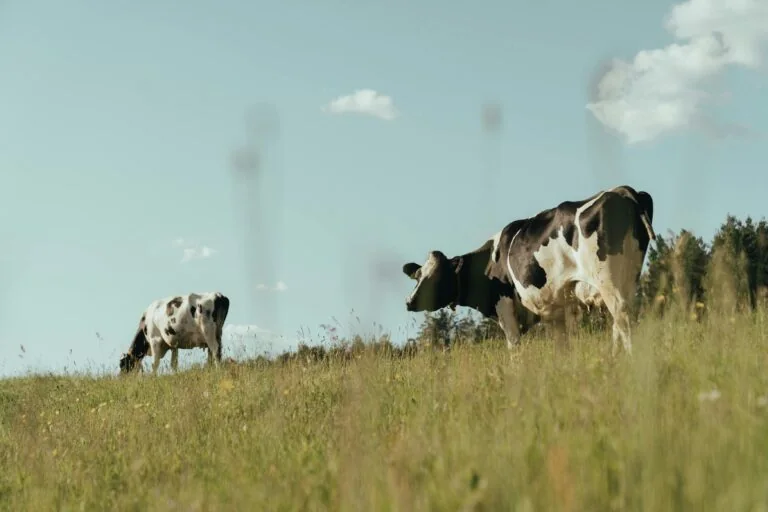
Modern cattle nutrition - challenges and development prospects
Although modern technologies in agriculture offer enormous and invaluable benefits, their implementation is associated with certain challenges. One of them is initial costs, which may be a barrier for smaller farms. Another challenge is the need for proper training of users so that they can fully use the potential of available tools. That's why a local partner who can quickly solve the user's problem is so important. However, the increasing availability of financial and educational support programs, both at national and European level, is making these technologies more accessible. In the future, we can expect further development of intelligent agricultural systems that will be even better adapted to the needs of farmers and environmental challenges.
Modern technologies open up new opportunities for farmers in terms of efficiency, sustainable development and improved animal welfare. Thanks to solutions like Smart Feed, precision feeding becomes easier and more accessible, bringing benefits to both farms and the environment. The future of agriculture is integrated management systems that help meet growing production and ecological requirements, while ensuring a better quality of life for both farmers and animals.
Today we are dealing with a huge amount of information and sometimes it is difficult to find the most important ones, so if you want to be constantly up to date with news from the world of agriculture or are interested in Smart Feed - join us on Facebook and visit bloga on our website!
Contact